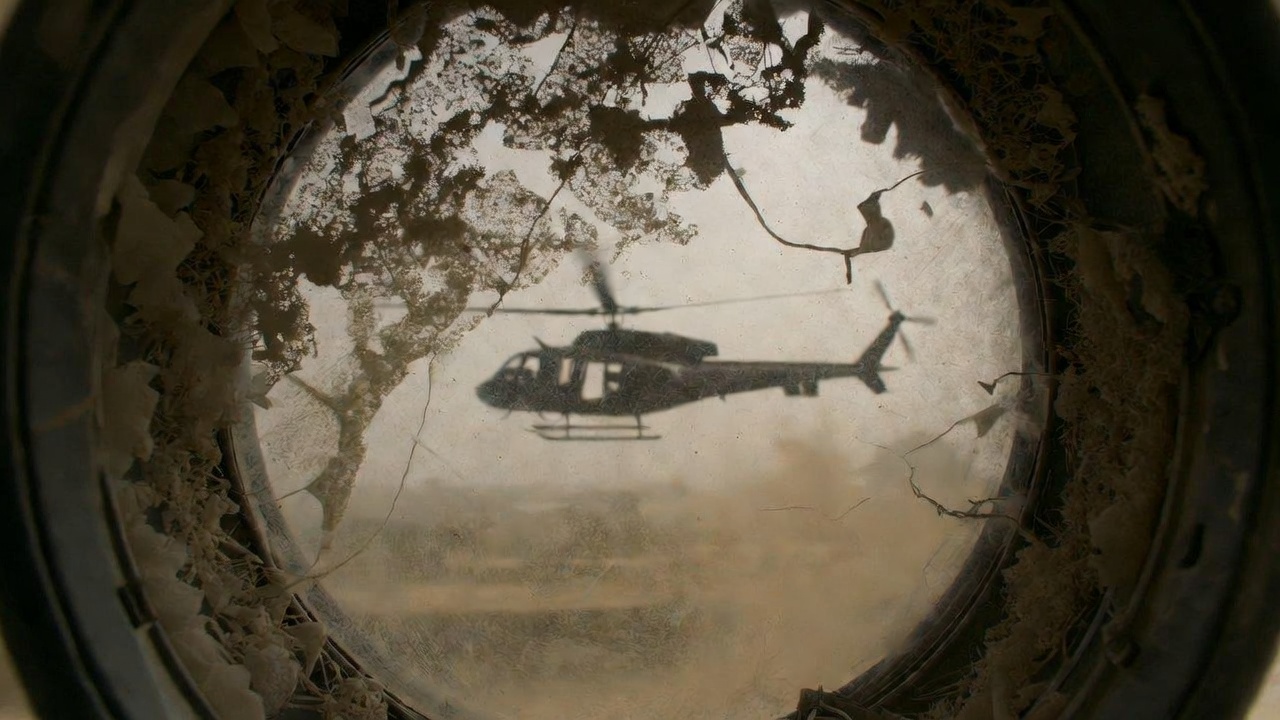
There is a specific discomfort in watching a Small Council convene on House of the Dragon , and it takes a while to name. You are told you are watching a pre-modern dynastic war council. What you are actually watching is staged and written like a contentious executive meeting from the present decade: orderly speaking turns, therapeutic self-explanation, objections framed in a moral vocabulary imported wholesale from now, everyone visibly negotiating status and legitimacy as though they have all read the same handbook and are careful to be seen honoring it.
The past had bureaucracy. It had factional etiquette, procedure, tedious councils, people terrified of saying the wrong thing to the wrong lord. None of that is the problem. The problem is that the past did not sound socially like us, and this show cannot stop sounding like us. In a room like that one, hierarchy should be doing enormous invisible labor before anyone opens their mouth. Rank, blood, patronage, insult, ritual, personal obligation, and the physical threat standing behind all authority should structure every exchange in advance. Instead the hierarchy evaporates the moment people start talking, and what is left is a table of contemporary professionals wearing wool.
This is easy to mistake for a costuming or casting complaint. It is not. It is a symptom of something structural, and the structure is where the show has actually failed.
The failure is at the level of cause
Bad dialogue can sit inside a good story. A weak performance can sit inside a good scene. Even stupid production design is survivable. What is not survivable is a story whose writers no longer appear to understand why one thing should lead to another — because that faculty is not a department. When it breaks, it breaks everywhere at once, and there is nowhere left for quality to hide.
The clearest way to see the break is to watch the show work backward. Consider how a character like Rhaena is assembled.
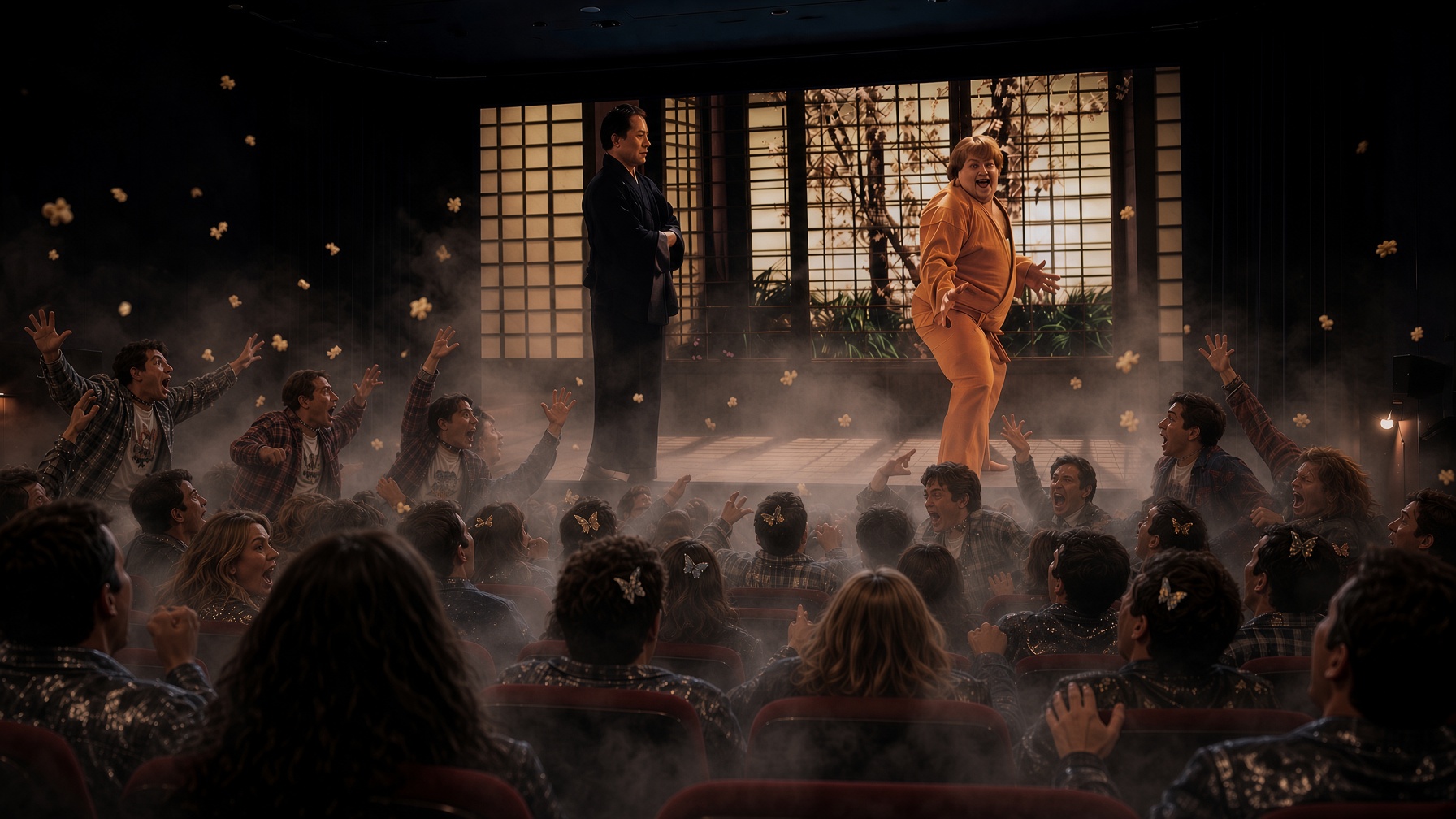
Fig. 1 — character delivered as a set of assigned results
None of those things arise from character. They are assigned results, delivered in advance, after which every other department is conscripted into manufacturing evidence that the result was earned. Dirtying a character up is nothing in itself — but a working story makes you ask, instinctively, what physically and dramatically happened to this person to produce this appearance?
Once you recognize the method, you cannot stop seeing it. Councils stop containing people who make decisions and start containing characters positioned to demonstrate who is wise. Battles stop revealing character and start distributing heroic moments like party favors. Dialogue stops emerging from colliding motives and starts announcing which interpretation the writers would prefer you hold.
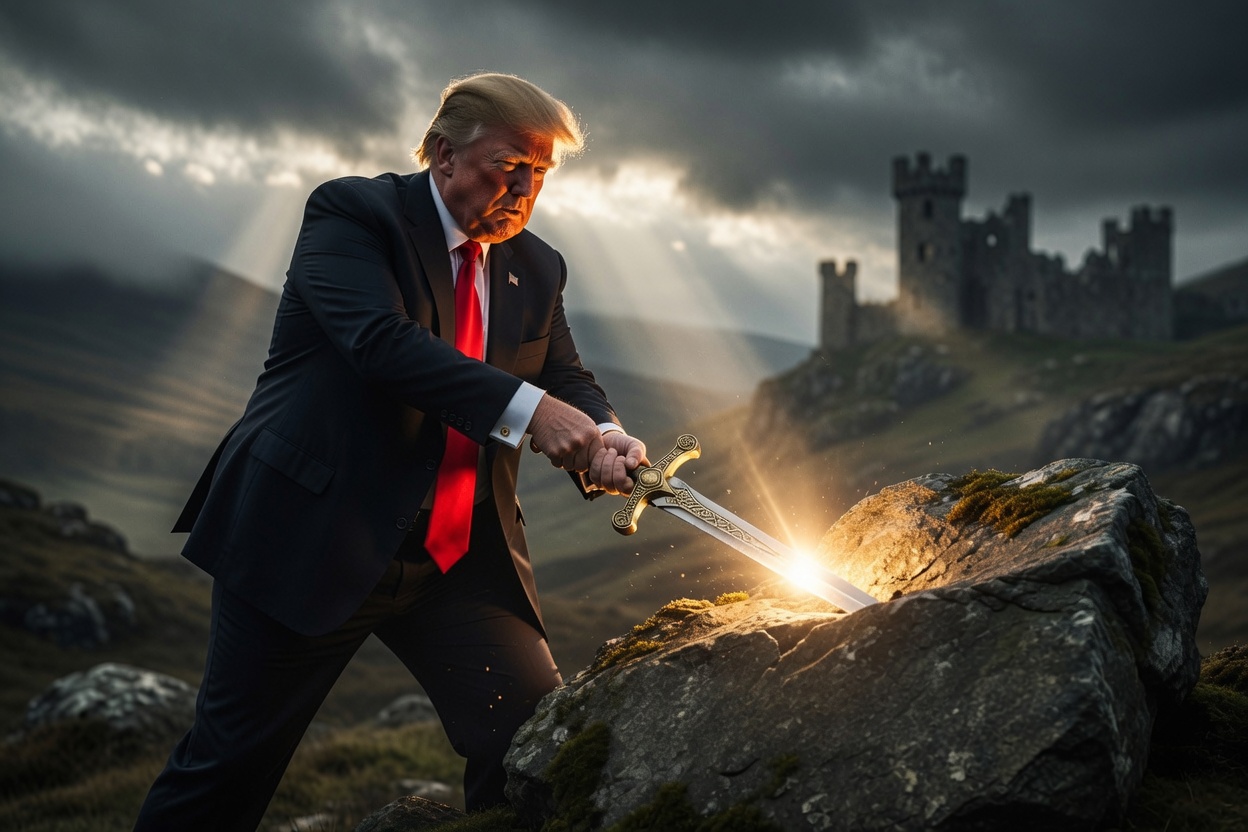
Fig. 2 — the same broken faculty, running in reverse
It is all the same broken faculty — cause, motive, consequence, human behavior — and you cannot have sophisticated politics downstream of writers who cannot convincingly stage how a person comes to possess a dragon. The dragon is enormous. The missing thing is gravity.
The Small Council scene had one available idea that would have redeemed its own strangeness. Keep the queen absent and have her “attend” by raven: messages arriving late, composed before the current argument began, answering questions the room has already moved past. Suddenly the airless structure of the meeting becomes a dramatic subject rather than an accident — governance conducted at the speed of birds, authority perpetually one beat behind the conversation it is supposed to command.
This changes nothing about the verdict. A repair the show did not make is not a virtue it possesses. It is cited only to show that the failure was a choice, not a constraint.
Symbols where people should be
The most discussed feature of these council scenes is their composition, and here the show earns a harder criticism than the one usually leveled at it. The trouble is not the presence of a varied cast. The trouble is the distribution of competence .
When nearly everyone in a room is written as politically brain-dead while a conspicuous few are granted composure, foresight, moral clarity, and an aura of being the only adults present, those few stop reading as people and start reading as protected narrative pieces.
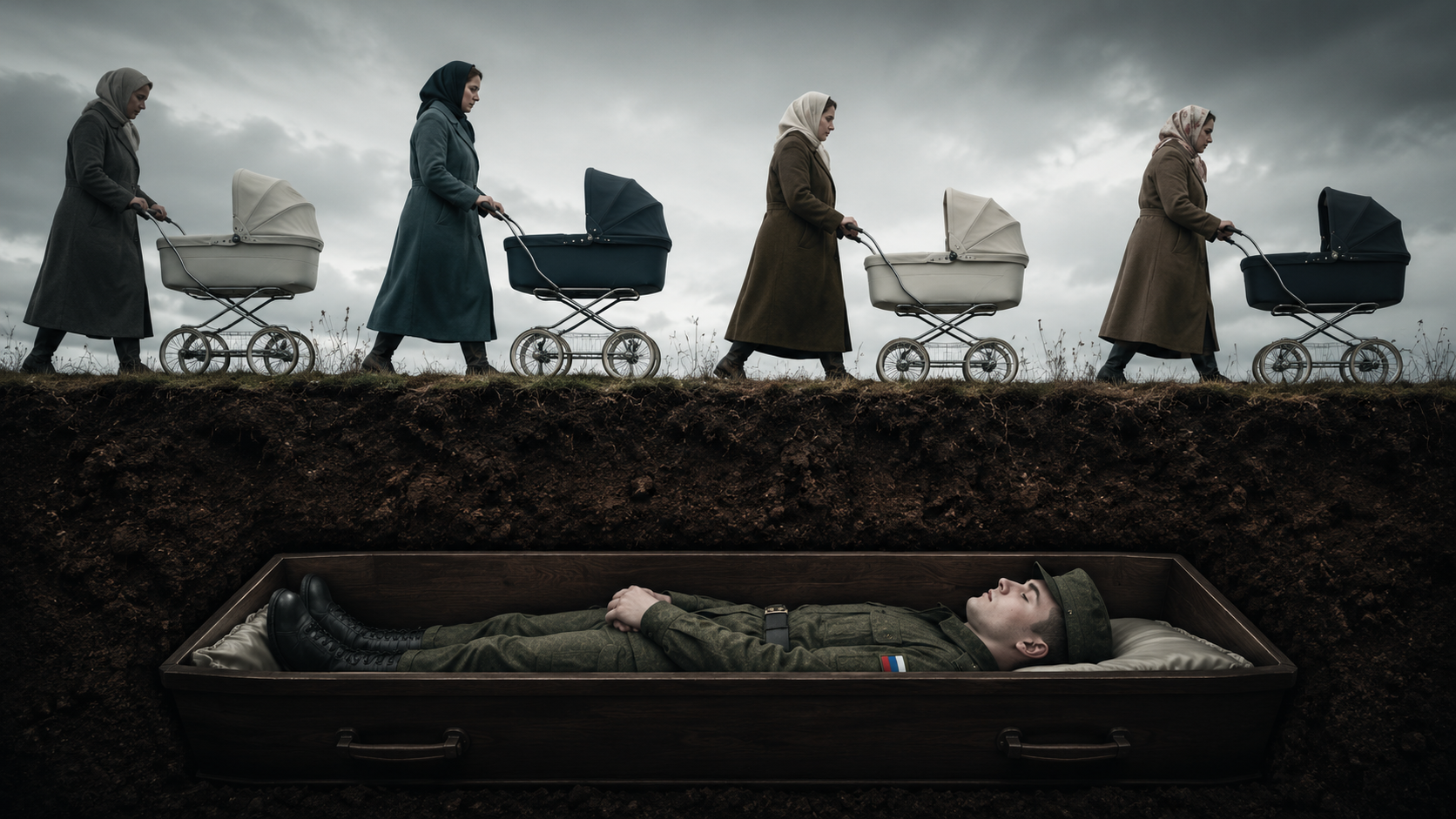
Fig. 3 — an invisible immunity the writing keeps whispering
This is, if anything, worse than ordinary tokenism, because the writer's hand becomes visible. A character exempted from the general foolishness cannot be vain, cowardly, venal, mediocre, or simply wrong in the same uncontrolled proportions as everyone else. They arrive pre-fitted with character armor.
The effect is that casting says individual while the writing keeps whispering symbol . And the symbolism is dramatically inert precisely because it is accidental. It just sits there: a person who should be free to be as flawed as anyone, quietly converted into someone the audience is apparently meant to recognize as wiser, and therefore no longer quite a person.
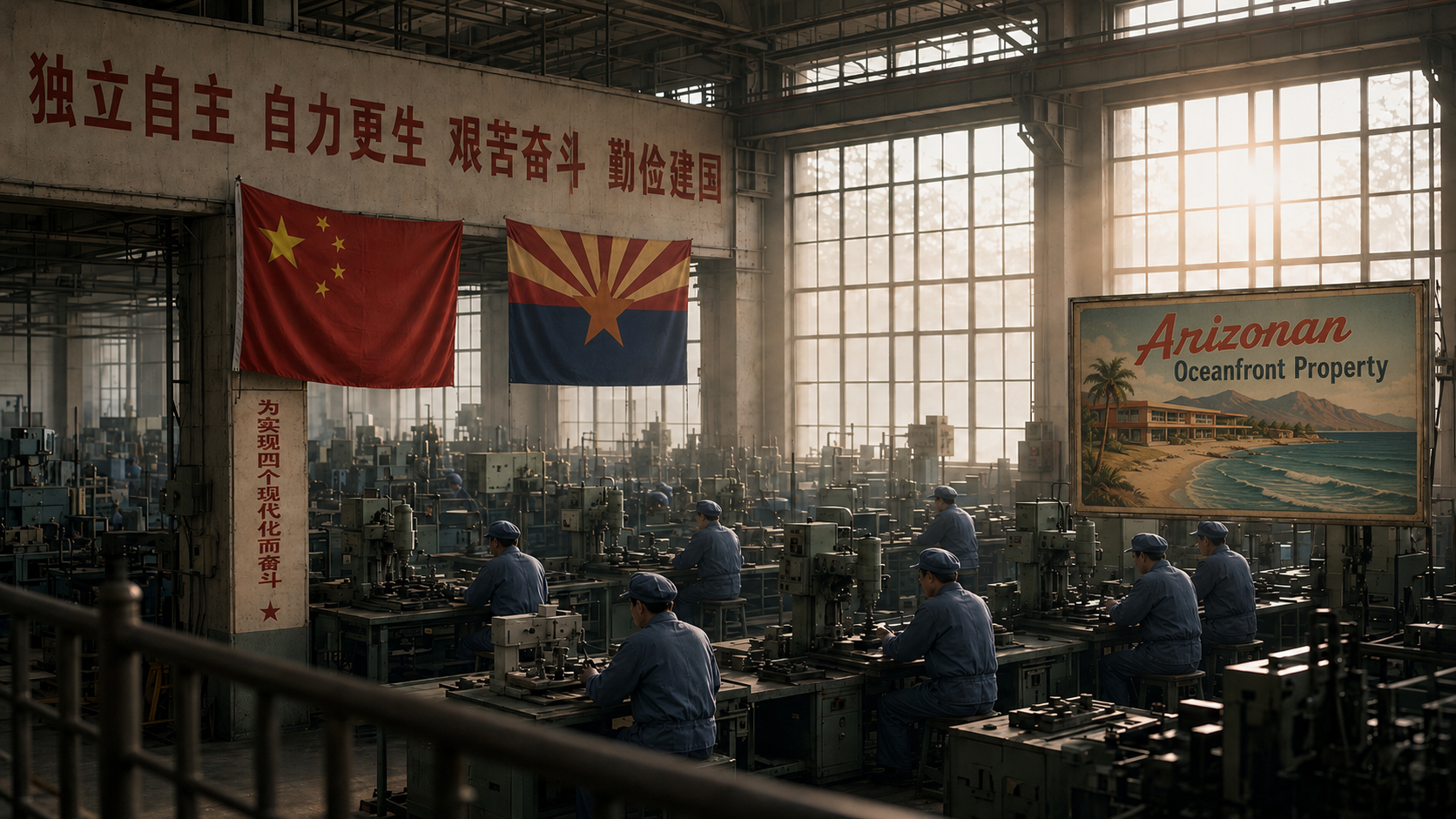
You see the same inversion in how the show confers authority. Mysaria becomes almost metaphysically correct not through anything her position or history does in the plot, but because she has suffered, and suffering is treated as a credential.
Fig. 4 — one question builds a person; the other issues a badge
The sun the show refuses to orbit
This matters most because of what House of the Dragon is supposed to be about. The premise — the whole reason the thing exists — is that a single family destroys a continent because it cannot survive itself. Family is the smallest political and moral unit in the story, and it should be the sun everything else orbits.
Western storytelling keeps returning to the household because the household gives you everything at human scale: inheritance, authority, rebellion, loyalty, betrayal, memory, guilt, sacrifice.
Fig. 5 — the one story it was built to tell, kept idling
This is why Game of Thrones originally had such force — beneath the wars and the dragons it was overwhelmingly about families transmitting damage and duty down the generations. The Stark children carry Ned. Tyrion carries Tywin. Cersei carries her father and her children at once. It is why Uncle Ben and Aunt May do more work than any villain: they are Peter Parker's first and total encounter with duty, sacrifice, shame, and obligation — a whole civilization compressed into one household. What did the people who loved you teach you, and what will you do with it once they are gone?
House of the Dragon has that engine sitting right in front of it, bolted into its own premise, and repeatedly chooses to idle it. Family bonds — the thing that should be tearing these dynasties apart from the inside — get treated as secondary texture, while moral authority is handed to whoever can present the most legible wound.
Everyone gets a chair
There is a smaller, telling habit that follows from all of this: the show cannot let a compelling outsider stay an outsider. Anyone interesting the story meets gets promoted, almost immediately, into the machinery of state.
This is a needless waste of one of the easiest tools for preserving believable scale. A confidant can be enormously important without holding any office, and the lack of office is often what makes them dramatically useful — influence without authority is friction, and friction is drama.
Fig. 6 — sometimes not having a chair is the entire character
Someone encountered in one's travels can remain a lover, a confidant, an informant, a conscience, a liability, a secret. Sometimes not having a chair at the council is the entire character. The distinction between formal power and personal influence is free, durable dramatic fuel.
And again: this is what the show declined to do, not a mitigation of what it did. The alternative, good or bad, leaves the verdict where it stands.
Look what they did to the one thing that mattered
House of the Dragon fails at the one level from which nothing can be quarantined: it does not reliably understand why one thing should lead to another. The spectacle is genuinely enormous. The scale of the production is not in question.
What is missing is the only thing that would have made any of it land — gravity. The felt weight of cause pulling consequence into place.
You can see the construction everywhere in this show. You can almost never see the reason for it.