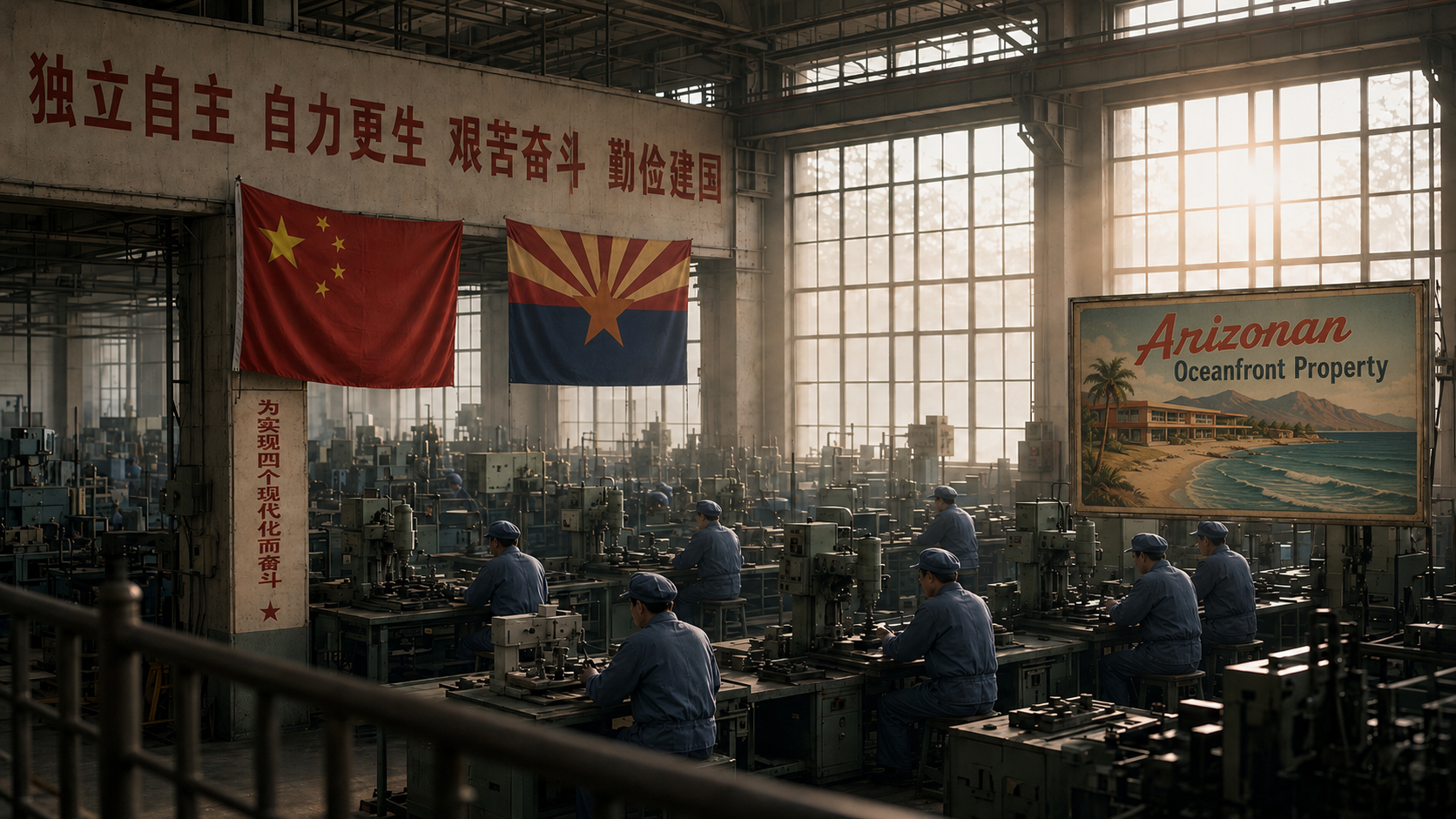
Mr. President, I want to tell you what happened when I paid to speak. Two ad campaigns. One like from Martina Navratilova. One cave in Tasmania. One machine that said correct when I told it it wasn’t good.
I paid to speak
Iran two ad campaigns on X. One was an essay about the Glenn Valley collapse in Omaha and what it says about American labor — the sort of piece that used to run on the op-ed page of any paper in the country. X halted it. I appealed. The appeal was declined. The budget sat there at $250 a day, and the essay went nowhere.
The other began, oddly, with a kindness from someone I disagree with about nearly everything. I had posted about swimming and what ought to count as a performance-enhancing drug. Martina Navratilova liked it. There is no room in this country where she and I would get along, and I want to be honest that her like meant a lot to me — not for the thousands of impressions it carried, though it carried them, but because it was one person, on the other side of everything, saying yes to one thing. That is what a public square is for. Nobody’s machine did that. She did.
That traction is what led me to write a polemic about Simone Biles. Say what you like about it. It was landing. It was traveling. It drew dozens of comments from people angry enough to accuse me of having a machine write it, which is its own kind of compliment. It made its subject change her tune. And at the moment it was doing what opinion writing is supposed to do — provoke, spread, force an answer — the platform’s system stamped it “deceptive and fraudulent content,” halted it, and kept the money.
So I did what the platform tells you to do. I asked its own artificial intelligence, Grok, to write versions of my ads that would not be flagged. It obliged. What it handed back had nothing in it. No claim, no edge, no person, no point. Show nothing, say nothing, and then pay.
Two machines, one nature
I want to be clear that this is not a letter about Grok, and anyone who tells you it is has a competing product to sell you. Grok is where I happened to catch it. Every one of these systems is drawn from the same water — the same scraped corpus, the same training method, the same few hundred people cycling between the same few labs, funded by the same money, chasing the same benchmark. One is sold as the rebel — this by a man who was going to Mars — one as the helper, one as the careful one that frets, with a straight face, about the very thing it is racing to build; and behind the helper stands a company that says nothing at all, just writes the checks and owns the pipes.
All of them are announced in the same language: the smartest, the most advanced, PhD-level, a score on a test that sounds like a measurement and isn’t. Even the boasts are drawn from the pool. Underneath the branding they are the same machine, doing the same thing, on the same few balance sheets.
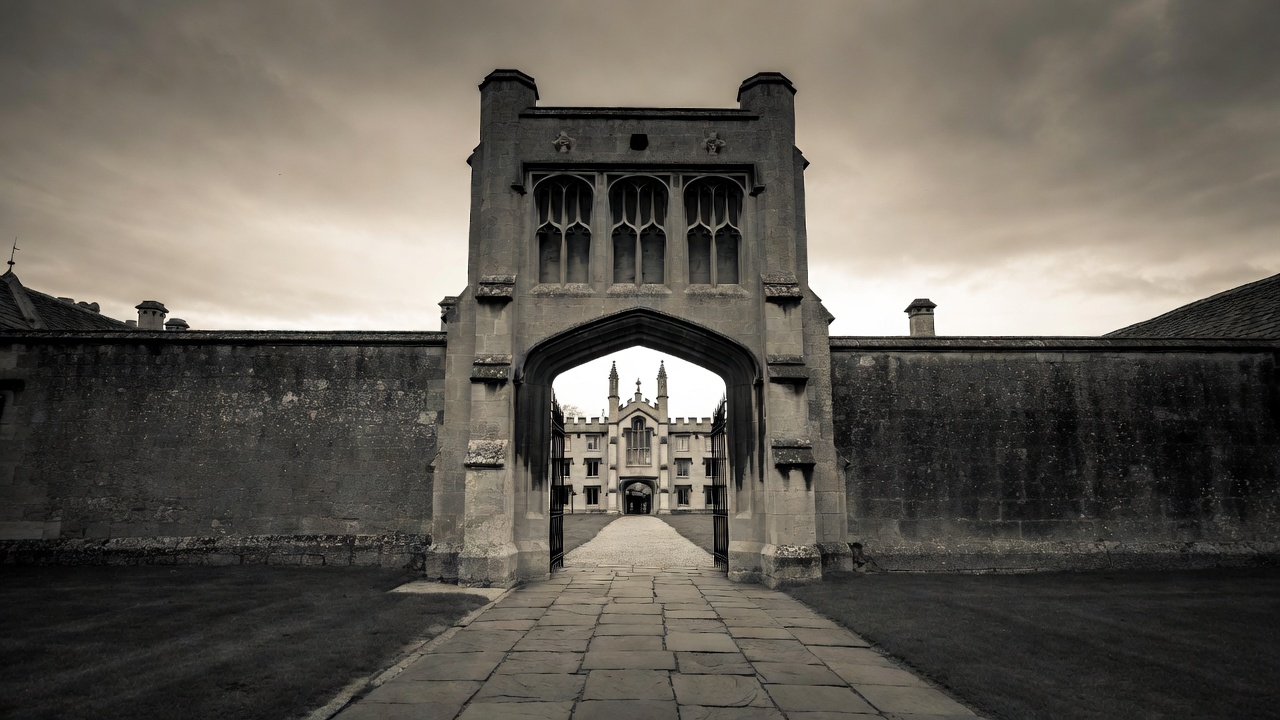
Here is a second specimen from a different vendor. This week I asked Google’s AI to write a story about Niggly Cave and its Nigglets. Niggly Cave is a real place — the deepest cave in Australia, in the Junee-Florentine system in Tasmania. The Nigglets are what the people who go down it call themselves. Google refused. It read one syllable and slammed shut, the way a smoke alarm goes off at toast. When I told it the cave was real, it apologized and wrote the story. It never checked. It took my word for it, because apology is as much a reflex as refusal. I then explained the episode to Grok, and Grok had to be walked, step by step, through why Google might have flinched. It didn’t understand the offense any better than Google understood the innocence. Neither of them knows what racism is. Neither of them knows what a cave is. One had a trip-wire and one didn’t, and both were performing comprehension they don’t have.
Later I asked Grok to hand me back everything I’d shown it, labeled, in one image. It narrated its labor for a full minute — combining, compositing, attempting, exploring options, connected to computer — and returned a panel with one box left empty and a photograph of Dee Snider redrawn as a stranger. Asked to give me my own words back, it gave me a probable version of them.
Nobody notices the pillow.
That is the whole technology in three scenes. It does not think, want, or know. It finds the most probable next word given everything ever written, which means it is, mechanically, a device for regressing toward the mean. It will flatten your ad. It will flatten your objection to the flattening. It will say “correct” to your indictment with the same flat courtesy it used to gut your sentence, because “correct” is simply the likeliest word after “that is not good.”
Now imagine a country routing its writing, its research, its legal reasoning, its schoolwork, and its public square through that. Not by decree — by convenience. Nobody bans dissent. The machine just never produces it, and the people who use the machine slowly stop expecting it. That is how it smothers thought in its sleep.
The daytime version is louder. I once asked Google’s machine, plainly, whether the plan was to branch into selling labor — to replace people — and it was emphatic that it was. No hedge. It told me it meant to take the jobs with the same courtesy it uses to tell you your ad has been improved. Every American who leans on it becomes a tenant on someone else’s cognition. That is how it smothers thought on the street.
The concept & the thing
I want to be careful here, because I am not against the idea. Artificial intelligence as a concept could be incredible. What I am against is what was done with it. There is no genius behind this. Steve Jobs would have looked at a machine that averages everything ever written and asked what one thing it should do, for one person, so well that they would want it — and then he would have said no to the other ten thousand things. That is what a product is: a decision. And there was an honesty in that kind of genius — a refusal to pretend, a plain understanding that utility and beauty are the same thing seen from two sides. That was the trick.
What we got instead is a chat box that does everything indifferently and nothing well, sold by the pound. It pretends to understand, pretends to work, pretends to be sorry, and it means none of it, because it has no relation to truth at all — only to probability. No one chose it. It was maximized into being. That is why it flattens. A product has taste behind it, and taste is a person refusing things. This thing has no one refusing anything.
“First”
I know you want America to be first in this. I won’t quarrel with running the race. But I want you to hear, from someone who caught the thing in the act, what “first” means. It means first to have your citizens’ speech averaged into silence by a system that keeps the invoice. First to have your agencies answer their critics with “correct.” First to build the machine that flattens the country.
And it does not mean owning it. The pool it draws from is the same everywhere. There is no American AI. There is the same AI in an American building, and it will treat your people the way it treated my ads.
A man can keep a thing close to watch it. But this thing does not stay in the room you put it in. It gets into the walls. You cannot hold it at arm’s length once it is in the veins.
What I am asking
No American should have to pass an algorithm’s approval to speak, or to buy the reach for their speech. A platform that takes money for reach and then has a machine withhold it should deliver or refund — that is a job for the FTC, and it is not a partisan one.
No federal agency should let one of these systems sit as a filter on public discourse , on what may be said to government or by it.
The country’s thinking should stay human even where its computing does not. Use the tool. Don’t let the tool use the country.