Essay · Grief & Grace
Rob Reiner and the Counterpunch
A study of paternal failure and divine affection — on the silence of the Old Man, the limits of every conventional remedy, and the mercy that meets us in the cupboard.
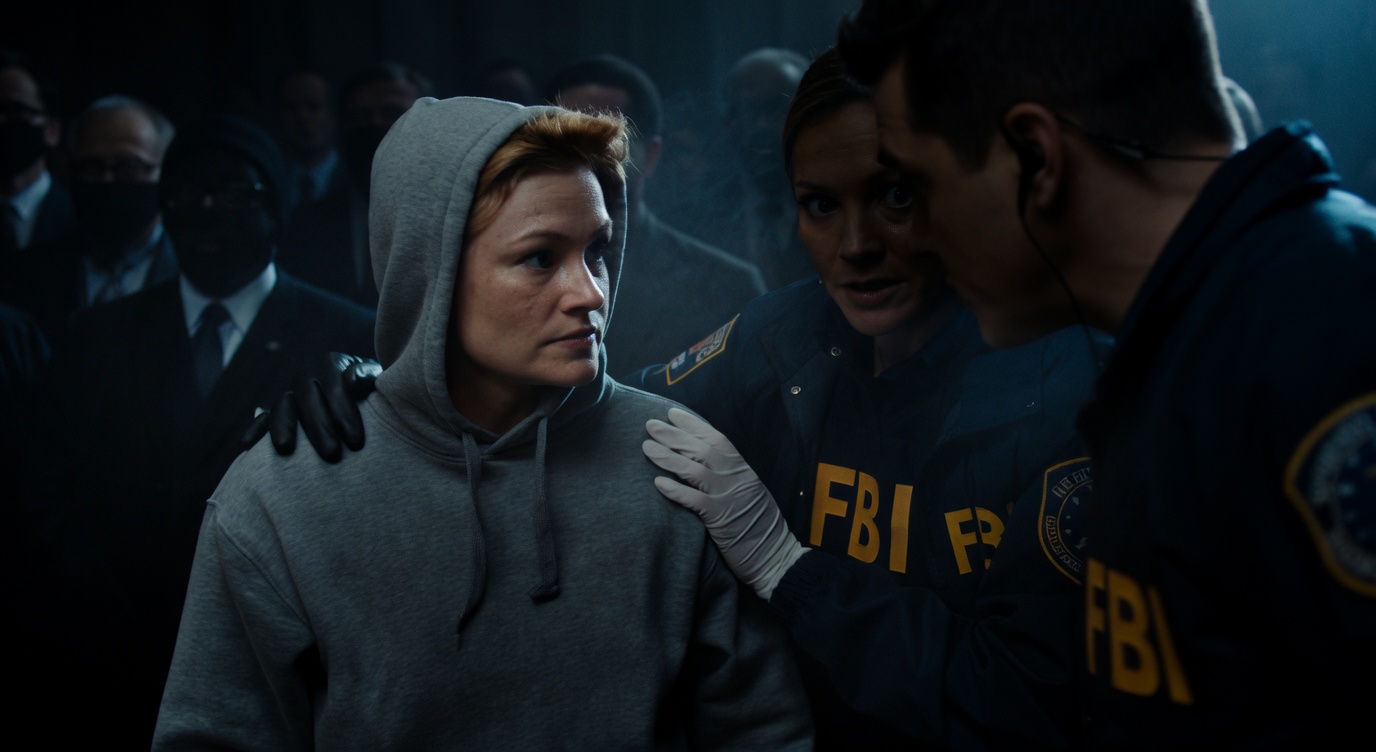
Fig. 1 The ritual incantation: a decade of broadcast, absorbed without institutional recourse.
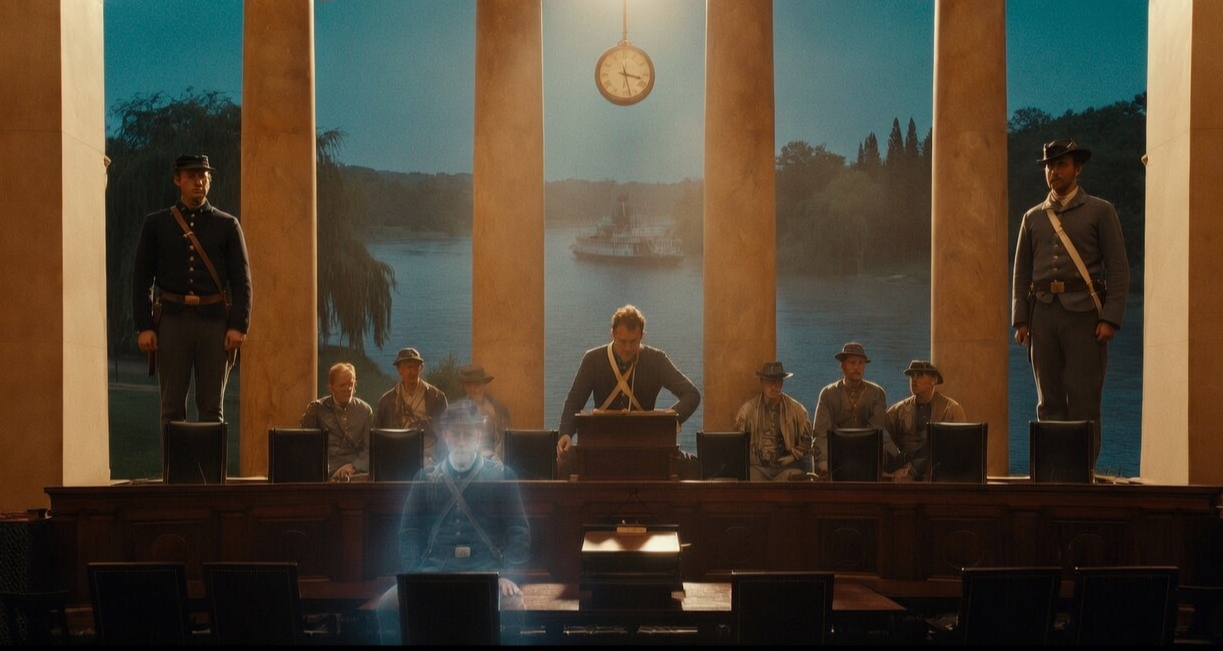
In the classic American tableau of A Christmas Story , young Ralphie Parker, having finally unleashed a furious barrage upon his tormentor Scut Farkus in a blizzard of fists and tears, retreats to the kitchen cupboard in mortal dread. He is certain that his father will descend upon him with biblical wrath for this eruption of violence. Yet the Old Man says nothing—not a word of rebuke, nor even acknowledgment. He simply goes about his evening, allowing the boy to emerge, shaken but intact. The silence is not indifference; it is a tacit recognition that there are moments when the accumulated weight of provocation becomes intolerable, and the response, however untidy, is human. One need not applaud the beating to understand its genesis. The lesson is austere: endure what you can, defend yourself when you must, and accept that others will do the same without demanding perfection from them.
This quiet paternal forbearance offers a useful lens through which to view a recent, much-maligned post on Truth Social by the former and current president. The post was graceless, even ghoulish, in its timing and tone—attributing the tragedy, in part, to Reiner's consuming hatred of its author. One may recoil from the indecency without pretending astonishment. For years, Reiner had portrayed the man as a mortal threat to civilization itself, a view echoed and amplified across vast swaths of media and culture. The media's incessant framing of every utterance and gesture as "unpresidential" had long since exhausted its moral force, reduced to a ritual incantation that greeted tweets, nicknames, and policy alike with the same weary predictability. Words have consequences; so do torrents of them. When the target of such a prolonged campaign of vilification finally snaps back, even over a corpse, the reaction is less shocking than inevitable. The cupboard silence applies: one need not endorse the outburst to grasp why it occurred. Condemnation without context is merely performance.
"Success purchased every conventional remedy; it could not purchase the one thing needful."
Rob Reiner's life was, by the standards of this world, an unalloyed triumph. He directed films that became part of the national fabric—tender, funny, humane works that captured friendship, romance, and courage with an almost effortless grace. He inherited talent, honed it, and turned it into lasting art. Money, acclaim, influence—all arrived in abundance. Yet his greatest failure, the one that now overshadows everything, was private and absolute: the inability to save his son from a darkness that appears to have been present from childhood.
The boy was volatile early on—tantrums of operatic duration, a nervous system that seemed perpetually overwound. The father responded as affluent, conscientious parents are taught to respond: therapy, specialized instruction, later a procession of rehabilitation centers whose fees could ransom small nations. When those failed, he tried tougher measures, then collaboration on a film that laid the family agony bare. Nothing worked. The son descended into hard drugs, homelessness, relapse upon relapse, and finally—according to the charges—an act of parricide so inconceivable that it defies ordinary language.
What undid them both, in the end, was a failure of emotional regulation—a limbic captivity that expressed itself differently in father and son but proved equally destructive. In the son, it manifested as rage and chaos, amplified by substances until it became lethal. In the father, it took the form of a political obsession that crowded out proportion and, one suspects, presence. The same neural circuitry that once served creative mastery was hijacked by fury at a single figure, until the warnings of impending fascism became a daily liturgy. The energy that might have gone into quieter, more stubborn forms of paternal attention was diverted into public combat. Success purchased every conventional remedy; it could not purchase the one thing needful—perhaps a simpler, less scripted closeness, or the humility to recognize that some fractures cannot be mended by expertise or expense.
The torrent Reiner helped unleash—years of portraying his adversary as subhuman—contributed its own small share to the cultural climate in which bullets were eventually fired. One attempt nearly took off his head; another claimed a different loyalist altogether. When the long-vilified man finally retorted over Reiner's grave, it was ugly, yes, but also the predictable counterpunch of someone who had absorbed punishment for a decade without institutional recourse.
"Fame, fortune, even artistic immortality offer no final bulwark against the frailties of the heart and mind."
All of this—the glittering career brought low by private catastrophe, the limbic overrides that turned gifts into torment—points to a larger truth: our struggles are ours alone, and no amount of worldly attainment insulates us from them. Fame, fortune, even artistic immortality offer no final bulwark against the frailties of the heart and mind.
Yet the story of humanity is not sealed in despair. At its center stands a birth in obscurity: a child laid in a manger because there was no room at the inn. The Creator entered the world not in triumph but in vulnerability, born to ordinary parents in a provincial backwater, under occupation and threat. That humble arrival announced a reversal—power made perfect in weakness, glory hidden in lowliness. The life that followed taught family loyalty not as sentiment but as commandment: honor father and mother, even when honor is hard. It taught service as the path to greatness, love as the fulfillment of the law. And on a cross, it revealed the depth of divine affection for creatures who so often wreck themselves and one another.
The message is not that suffering is illusory or failure final. It is that even our worst limbic failures, our most spectacular collapses, are encompassed by a love that refuses to abandon the story. Faith begins in humility—acknowledging that we are not the authors of our own salvation. Hope persists because the tomb was empty. And love, the stubborn, self-sacrificial kind demonstrated in Bethlehem and Golgotha, remains the only force capable of redeeming what we cannot fix.
III. The Cupboard
"The only sane response is not judgment from a safe distance, but awe at the mercy that meets us in our own cupboards."
In the end, Reiner's success and his shattering failure both testify to the same fragile humanity we all share. The only sane response is not judgment from a safe distance, but awe at the mercy that meets us in our own cupboards, silent and sufficient, waiting for us to emerge.