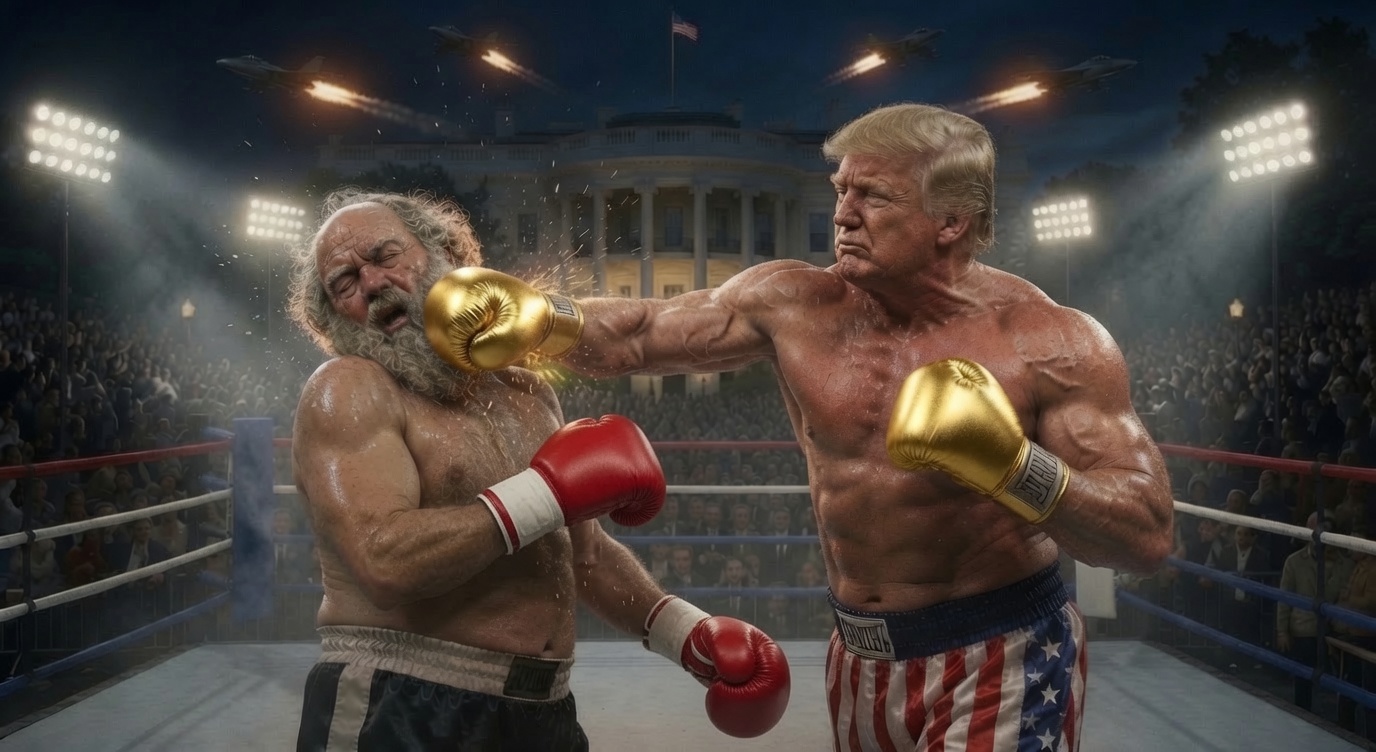
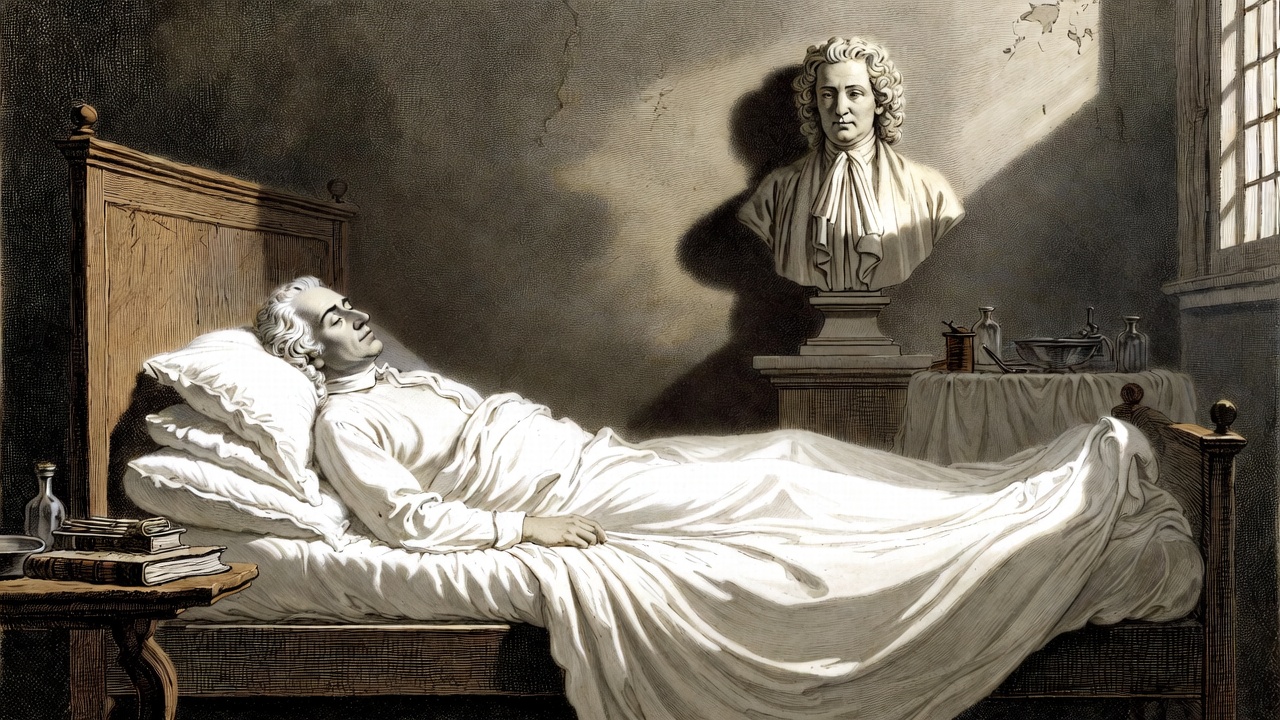
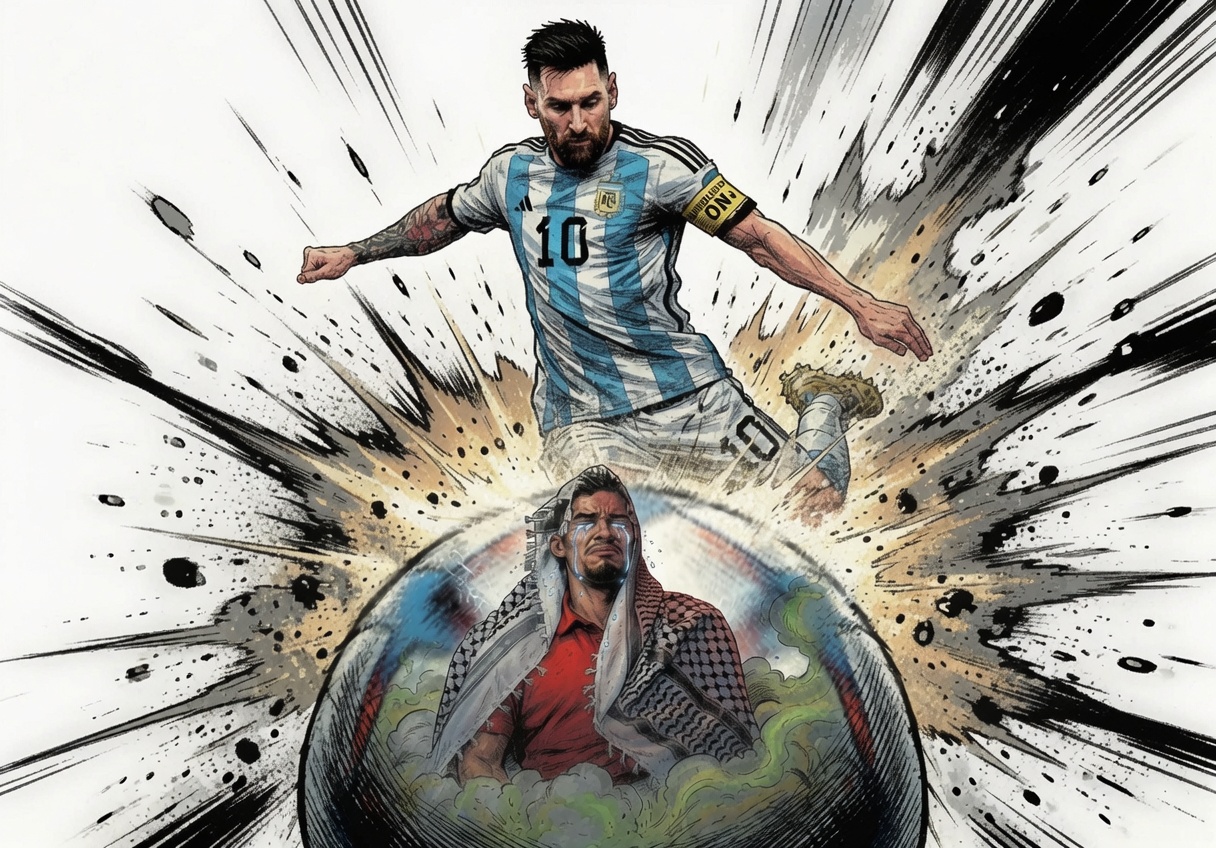
To the Maker of Worlds . To the Keepers of the Ledger .
A letter to the last auteur industrialist, and a warning to the Consortium — on what is lost when genius ends and asset management begins.
Dear Shigeru,
They are waiting for your heart to beat for the last time so they can finally turn your dreams into a pure index fund.
This is not metaphor. This is the literal operational plan sitting in leather portfolios in the climate-controlled boardrooms of Minato, Tokyo. They have already run the actuarial tables. They have already stress-tested the post-Miyamoto asset reallocation models. They have already gamed out the press release cadence, the memorial tribute DLC, the limited-edition gold cartridge commemorative collection that will move forty million units in the grief window. They know—down to the quarter—when your biological runway ends and when the real revenue optimization begins. They are patient. They are professional. They have done this before.
For decades, you have been the glitch in their matrix—the stubborn, smiling anomaly who insisted that a plumber should fly and that joy shouldn't have a Minimax chart. You built a kingdom on the "unpredictable," and in doing so, you gave us a childhood that the Consortium couldn't quite map. You are the last of a dying breed: the Auteur Industrialist, existing in that narrow historical window between the artisan and the algorithm, between the singular vision and the design-by-committee flowchart. You are the man who could say "no" to the spreadsheet and "yes" to the untested mechanic, and the entire corporation would bend to your intuition because your intuition had a forty-year track record of printing money through wonder.
But let us be clear about what you actually did, because the Consortium has already begun the work of mythologizing you into harmlessness. You didn't just "make good games." You performed an act of sustained epistemic rebellion against the commodification of human attention. You insisted—against every incentive structure of late capitalism—that the product could not be separated from the producer's care. You hand-tested every jump arc. You personally verified that the "ba-ding!" sound effect produced the correct neurochemical cascade. You delayed releases not because of crunch but because the feeling wasn't right, and you had the hierarchical authority and cultural capital to tell the shareholders: "The feeling is the product. Wait."
This is what they cannot forgive you for. Not your success—success they can index. But your method. Your insistence that the ineffable matters. Your proof that markets can be won by rejecting market logic. In 1985, when every rational business model said "make the sequel," you said "make the opposite." You released Super Mario Bros. 2 in the West as a reskinned Doki Doki Panic because the real sequel was "too hard" and you cared more about the player's experience than brand coherence. You shipped The Legend of Zelda with a battery backup save system that cost Nintendo real margin points because you refused to make an adventure game where progress couldn't be preserved. You delayed Ocarina of Time for months because the Z-targeting system—an innovation with no market precedent—didn't feel "natural" yet.
Every one of these decisions was irrational by McKinsey standards. Every one of them was correct by the standard of building cultural permanence. And that's what the Consortium saw: you weren't just selling products. You were founding a religion. You were creating the mythological substrate of an entire generation's interior world. The Mushroom Kingdom isn't a brand extension—it's a cosmology. Link isn't a character—he's an archetype. And you built this not through focus groups and sentiment analysis, but through monastic devotion to craft.
This is the thing they need to kill. Not you—you they can wait out. But the idea that one man's irreducible taste can outperform the derivative wisdom of the market.
The Biological Runway
The Archetype Matrix
The Auteur Industrialist
The Groomed Type
But we see the "Types" moving in. We see Devon Pritchard—the twenty-year veteran, the lawyer, the marketer—stepping into the frame to manage the "Consumer Experience." She is the Groomed Type you didn't need in 1981 when you were saving Nintendo from collapse with a handful of unsold Radar Scope cabinets. She is the human shield, practicing the scripts of globalist compliance, waiting to inherit the Toy Box so it can be stabilized for the SFOs.
Let us examine the Devon Pritchard archetype with the precision it deserves, because she is not a person—she is a pattern. She is the Consortium's answer to the Miyamoto problem. The Groomed Type emerges from a specific institutional pathway: elite MBA with a thesis on "Stakeholder Capitalism" or "Purpose-Driven Branding," rotational program at a blue-chip consumer brand, legal credential used not to practice law but to speak law, to fluently navigate regulatory capture, VP-level roles with the word "Experience" or "Transformation" in the title, board seats at nonprofits that sound progressive and look good in the proxy statement. She has never built anything. She has never shipped a product that bore her name. She has never had to live with the consequences of her own taste. But she has managed hundreds of products, always arriving after the hard work of creation, always tasked with "scaling" or "optimizing" or "future-proofing." Her entire professional identity is constructed around the idea that the Creator is the risk, and the Manager is the mitigation.
She brings ESG reporting, localization architecture, HR prophylaxis, stakeholder theater—not creativity, not vision, but auditability. The ability to produce, on demand, the paperwork that proves Nintendo is a "responsible corporate citizen" by the standards of the Current Year. And here's the thing: this isn't cynical. She believes this is good. She has been credentialed into believing that "sustainable growth" and "inclusive design" are moral imperatives that just happen to align with long-term shareholder value. She cannot see the contradiction because the contradiction has been defined out of her epistemology.
She is the "Groomed Type" you didn't need in 1981 when you were saving Nintendo from collapse with a handful of unsold Radar Scope cabinets. Let us return to this moment, because it's the creation myth that the Consortium needs to suppress. Nintendo of America had two thousand unsold Radar Scope arcade cabinets rotting in a warehouse. The game had flopped. The company was hemorrhaging cash. Minoru Arakawa was staring at bankruptcy. The "rational" play—the play that any Devon Pritchard would have recommended—was damage control. Liquidate the cabinets. Cut losses. Retreat to the Japanese market. Hire a consultant to produce a sixty-page deck on "lessons learned."
Instead, Hiroshi Yamauchi made a call that no modern corporate structure would permit: he told Arakawa to wait. He was sending a young designer named Shigeru Miyamoto—a guy who had been doing industrial design for toys—to convert the Radar Scope cabinets into a new game. Miyamoto had never designed a video game before. He had no data. No market research. No "consumer insights." He just had an idea about a carpenter, a gorilla, and a girl, inspired by King Kong and Popeye. He sketched it out. He coded it with help from Gunpei Yokoi. He shipped it. The game was Donkey Kong. It made one hundred and eighty million dollars in its first year and saved the company.
This is the sequence of events that cannot happen in the modern Consortium model: an unproven designer given total creative control on a bet-the-company project with no testing, no committee, no safety net, and it works. The Groomed Type exists precisely to ensure this never happens again. Not because it failed—but because it succeeded irrationally. Because it proved that the Auteur Model can outcompete the Process Model, and that's a contagion the Consortium cannot allow to spread.
We love you for the spark, but we mourn for the Stage 2 mummification that follows. When the Man is gone, only the Asset remains. The Standard Post-Auteur Transition Protocol has been run so many times now that it might as well be a GitHub template. First comes the Reverent Period: glowing obituaries, tributes from competitors, memorial DLC, charity bundles, museum retrospectives, the stock dips three to seven percent on the news and recovers within a quarter. The purpose is to monetize the grief and stabilize the transition. Then comes the Rationalization: "Miyamoto always said he wanted Nintendo to outlive him," promotion of the "Miyamoto method" into a teachable framework, internal training programs called "Designing the Nintendo Way." The purpose is to convert the Man into a Manual, the Intuition into an Institution. Then comes the Diversification: strategic partnerships with Netflix and Universal and Illumination, mobile-first initiatives, live-service pivots for key franchises. The purpose is to extract value from the IP across every conceivable distribution channel. Then comes the Financialization: private equity takes a meaningful stake, board composition shifts from "game people" to "value creation specialists," activist investors push for a spin-off of the character IP into a separate licensing entity. The purpose is to separate the brand from the product, the symbol from the substance. Finally comes the Hollowing: the games are fine, competent, seven out of ten across the board, but something is missing. The "Nintendo magic" becomes a phrase used in retrospectives, not reviews. Market share erodes not dramatically but steadily. The company performs well by every metric except the one that mattered to Miyamoto: do children dream about our worlds?
This is the mourning. Not that Nintendo will die—corporations don't die, they just get absorbed—but that it will become just another entertainment company. That the Mushroom Kingdom will be administered by the same people who administer the Marvel Cinematic Universe and the Fast & Furious franchise. That Link will be voiced by Chris Pratt in a movie written by the algorithm that maximizes global box office. The Asset will perform. Its soul will be gone.
The Financial Pipeline of Post-Auteur Mummification
To the Consortium of Wealth
To the Single Family Offices, the Boardroom Ghosts, and the "Groomed" Shields
You think you have solved the problem of the human soul. You've traded the "Man" for the "Operator," and the "Creator" for the "Algorithm." Let us be precise about what you think you've solved. You have correctly identified that the Auteur Model contains unacceptable variance. The genius founder is non-replicable, non-compliant, non-liquid, non-portable. You can't hire another Steve Jobs or Shigeru Miyamoto. They say no to the board, to the market, to "best practices." Their value is locked in their brain, their taste, their irreproducible intuition. When they die, they take the magic with them.
So you have engineered a solution: the Operator Model. The Operator is replicable—MBA programs produce thousands per year. The Operator is compliant—their entire training is in executing the playbook. The Operator is liquid—their value is in their Rolodex, their process knowledge, their ability to "run the numbers." The Operator is portable—they move between companies, between industries, bringing "best practices" with them. And on paper, this works beautifully.
You sit in your family offices, feeding BlackRock a tiny morsel of our wonder so they can return it to you as a predictable four percent dividend. The actual financial architecture here is where the Consortium's sophistication really shines. The SFO accumulates a three to eight percent stake in Nintendo across multiple entities to avoid disclosure thresholds, uses a mix of direct shares, derivatives, and synthetic positions, the goal being not control but influence. Then comes the board insertion: identify "independent directors" with SFO-friendly backgrounds in finance, consulting, private equity, people who speak the language of "fiduciary duty" and "shareholder value," get them nominated through "shareholder advocacy" groups. Then comes the governance shift: push for "best practices" like quarterly guidance, capital return programs, strategic reviews, frame it as "maturation" and "professionalization," Miyamoto is still there but now he has to justify his decisions to a CFO who reports to the board. Then comes the asset harvest: pressure for IP licensing deals, push for share buybacks instead of R&D investment, advocate for "unlocking value" through strategic partnerships. Finally comes the exit: once the "professionalization" is complete, sell to the next tier—BlackRock, Vanguard, State Street—those funds hold forever, extracting the dividend in perpetuity, the SFO moves to the next undervalued "auteur company."
You've done this to Disney. You've done this to Pixar—twice, first the sale to Disney, then the Disneyfication of Pixar itself. You're doing it to Nintendo. And the beautiful part, from your perspective, is that it's legal, it's fiduciary, it's responsible stewardship.
You have learned that identity is the ultimate indexing tool. You endorse DEI and globalist values not out of virtue, but because it makes automating target marketing a breeze. It creates a standardized, machine-readable dataset of humanity that works brilliantly with your heavily discounted, outsourced labor. The shift from "mass market" to "micro-targeted segments" required a standardized taxonomy of human difference. You can't A/B test at scale if everyone is a unique snowflake. You need categories. The social justice movements of the 2010s provided something extraordinary: a self-reported, granular, machine-readable identity framework. People began to voluntarily tag themselves with pronouns in bio, heritage month posts, accessibility needs, dietary restrictions, causes supported. This is a targeting goldmine. Every social justice category is also a market segment. Every call for "representation" is also a request for differentiated product offerings.
So you, the Consortium, made a calculation: the cost of endorsing these movements—some marketing spend, some HR overhead, some product changes—is vastly outweighed by the value of the data architecture they provide. Design a rainbow logo variant, donate a hundred thousand to LGBTQ-plus charities, do some internal DEI training, and in return you identify which customers engage with Pride content, you A/B test messaging for this segment versus control, you develop "inclusive" product variants at premium pricing, you harvest positive sentiment from this demographic, you use their advocacy to defend against criticism from other segments. The virtue is the cover story. The data is the product.
And here's the really elegant part: once you have this identity taxonomy, you can offshore the creative labor. In the old model, you needed expensive American writers, designers, and marketers who had cultural intuition—they "just knew" what would resonate because they were embedded in the culture. In the new model, you give a design studio in Bangalore a spreadsheet: Target Segment is LGBTQ-plus, eighteen to thirty-four, urban, college-educated; Messaging Themes are authenticity, community, resistance to heteronormativity; Visual Cues are rainbow gradients, sans-serif fonts, diverse casting; Tone is affirming, empowering, slightly irreverent. They execute it perfectly because you've reduced cultural production to a parametric design problem. The Indian designers are wildly talented and cost one-quarter of the San Francisco team. They don't need to "understand" queerness—they just need to execute the specification. This is why the Consortium loves identity politics: it makes culture into content, and content into code.
You look at Apple and see the blueprint: the transition from Steve Jobs' "Insanely Great" to Tim Cook's "Efficiently Extracted." Jobs Era, 1997 to 2011: products were iMac, iPod, iPhone, iPad; strategy was "insanely great products that people don't know they need yet"; revenue growth was forty-seven times; method was Jobs says "no" to everything except the few things he loves; risk was entire company's fate tied to one man's taste. Cook Era, 2011 to present: products are iterative improvements, services expansion, wearables; strategy is "optimize the ecosystem, maximize lifetime customer value"; revenue growth is 3.2 times, still impressive but note the deceleration; method is data-driven roadmaps, committee design, risk mitigation; risk is commodification, Apple becomes "just another tech company." You look at this and see success. Three trillion dollar market cap. Record services revenue. Predictable earnings beats. We look at this and see the exact thing you can't measure: cultural irrelevance. When was the last time an Apple product changed how humans think about technology? Not "sold well"—changed the paradigm. The iPhone was seventeen years ago. Everything since has been refinement, extraction, optimization. The machine still runs. But it no longer creates the future. It administers the present.
Insanely Great
Efficiently Extracted
The billion-dollar education project became a billion-dollar funeral.
And here's the most telling part, the thing that reveals the desperation behind the confidence: Apple tried to solve this problem. They knew they had a Steve Jobs problem. They knew that when he died, the magic would die with him. So they spent over a billion dollars—some reports say closer to two billion—on Apple University, an internal institution designed explicitly to capture and teach "the Steve Jobs method." They hired Yale's dean. They brought in professors from Harvard Business School. They built custom curricula. They analyzed every decision Jobs ever made, every product he killed, every design choice he obsessed over. They created case studies. They ran workshops. They tried to reverse-engineer genius into a teachable framework.
The result? Zero Steve Jobses. Not one. Not a single person emerged from Apple University capable of doing what Jobs did, which was to look at a market that didn't exist and say "we're building that." What they got instead was better Operators, people who could run the numbers on whether to make the iPhone camera module two millimeters thinner, people who could optimize the services bundle, people who could execute the existing playbook with marginal improvements. They produced a thousand competent managers and zero artists. Because here's what Apple learned and will never publicly admit: you cannot teach taste. You cannot systematize intuition. You cannot operationalize the thing that made Jobs Jobs, which was his willingness to be wrong in a way that felt right, to burn a hundred million dollars on a hunch, to tell the customer "you don't know what you want yet but you will."
Apple University is still running. They still teach the classes. They still invoke Steve's name. But it has quietly shifted from "creating the next Jobs" to "preserving the Jobs legacy," which is just another way of saying "managing the decline with reverence." The billion-dollar education project became a billion-dollar funeral. And every other Consortium entity watched this happen and learned the lesson: the Auteur cannot be replicated, cannot be trained, cannot be systematized. So the only rational move is to wait for them to die and then harvest the IP they left behind.
You are currently preparing Nintendo for the same fate. You want to turn the Mushroom Kingdom into a "Legacy Asset"—a horizontal, faceless empire of capital that believes it is immune to a Year Zero. A Legacy Asset in portfolio terms is an IP-based entity that has brand recognition across multiple generations, narrative flexibility, low ongoing creative dependency, global regulatory compliance, proven merchandising channels. Examples: Mickey Mouse, Superman, Star Wars, James Bond. These are the S&P 500 of cultural capital. They don't moon. They don't crash. They just generate consistent, predictable cash flows forever.
This is what you want Mario to become. Not a character in a game designed by a man with a vision, but a licensing entity that can be deployed across mobile games with free-to-play gacha mechanics, streaming series on Netflix, theme parks through Universal partnership, consumer products from bedsheets to breakfast cereal, theatrical releases through Illumination. Each of these is a separate revenue stream. Each can be managed by specialists. None require Miyamoto. The "horizontal, faceless empire" is not a bug—it's the goal. Because faces are risk. Auteurs are risk. The Consortium wants the IP to be bigger than any one person, which means making sure no one person can hold it hostage.
The Parabolic Jump Arc vs. The Minimax Spreadsheet
You are wrong.
You think that by hiring a "Type" and reciting the script, you have shielded the wealth from the Robespierre. But you've forgotten the lesson of the guillotine: it was built for the faceless system as much as the man. The French Revolution didn't start with Louis XVI. It started with the ancien régime—the system of tax collection, legal privilege, administrative extraction. Louis was just the symbol. Killing him was psychological closure, but the revolution was aimed at the structure itself. And here's what you've built: a structure that is even more worthy of hatred than the old aristocracy, because at least the aristocrats were honest about their extraction. The Old Aristocracy said "We rule because God chose us. You serve because that is the natural order." The New Consortium says "We're just optimizing stakeholder value. This is for your own good. Don't you want sustainable growth and inclusive design?" The old lie was transparent. The new lie is gaslighting.
When the machine stops producing the "Joy" used to pacify the masses—when it becomes just another soulless utility—the masses stop looking at the screen and start looking for the Consortium. Right now, people tolerate the Consortium because the bread and circuses still work. Netflix has content. Games are fun enough. Social media provides dopamine. The pacification infrastructure is intact. But you're systematically dismantling the thing that made it work: genuine creative joy. Every time you replace an auteur with a committee, turn a game into a "live service," swap out human creativity for AI generation, optimize engagement over experience, you're removing another brick from the dam holding back the realization: "These people are just extracting from us. They're not creating anything. They're not even pretending to care."
And when that dam breaks—when the population realizes that the screen is just an extraction interface, that every app is just a Skinner box designed to harvest attention and convert it to capital—the hatred won't be aimed at a CEO. It will be aimed at the entire architecture of digital capitalism.
The "Groomed Type" is a thin shield. Devon Pritchard will not save you. When the mob comes, they will not care that she has pronouns in her bio and a land acknowledgment in her email signature. They will see her for what she is: the HR face of the extraction machine. The shield is thin because it's not designed to stop blades—it's designed to stop lawsuits and bad press. It's designed to make the quarterly earnings call go smoothly and keep the activists out of the shareholder meeting. But when the actual collapse comes—the social, psychological, political collapse of faith in the system—she will be exactly as useful as the Romanov family's publicist.
The "Discounted Labor" is a fragile foundation. You've built a global empire on the assumption that you can always find cheaper labor. Code in India. Customer service in the Philippines. Manufacturing in Vietnam. Creative work in Eastern Europe. This works great until the discounted labor develops class consciousness—"Wait, we're building their billion-dollar products for fifteen dollars an hour?"—until the discounted labor gains technical sovereignty—"We have all the skills. Why do we need the American Consortium?"—until the discounted labor faces local collapse from climate change, political instability, supply chain breakdown, and suddenly your distributed workforce is offline. You've created a system with no redundancy. You've optimized for efficiency at the cost of resilience. One good supply shock, one nationalist wave, one global internet outage, and your entire extraction engine seizes.
And though you have tried to digitize your existence to escape the blade, remember this: Guillotines still work on anything with a pulse. You think you're immortal because you've uploaded your wealth into the blockchain, into offshore trusts, into perpetual foundations. You think you can't be touched because you don't personally own the means of production—you just have voting shares, preferential stock, beneficial interest. But here's the thing about revolutionary moments: they don't care about your corporate veil. When the guillotines came out in 1789, they didn't stop to check whether the aristocrat was there in their personal capacity or as a representative of their estate. The blade didn't care if the wealth was technically held by a trust.
The modern guillotine might be wealth taxes designed explicitly to break generational dynasties, nationalization of key industries—it's happened before, it will happen again—Jubilee events like debt cancellation, rent strikes, mass refusal to participate in the extraction, or, if things get truly spicy, actual violence against the physical bodies of those perceived as architects of the suffering. You can't Zoom into the revolution. You can't manage it with a crisis PR firm. You can't diversify your way out of being targeted. Because the thing that makes you a target is not your portfolio—it's your participation in the system that made the suffering inevitable.
The Actuarial Jump Test (Jumplivion)
Not for the applause, not for the metrics, not for the chance someone might notice. Just because the thing wants to exist and your hands know how to make it real.
Do it when no one is watching. Do it when the idea is half-formed and the code is ugly and the Japanese translation took three extra passes just so the feeling would land right. Do the little game inside the bigger piece. Call it Jumplivion. Jump. Live. Keep going.
If the thing is loved — truly loved, by even one person who feels the care you put into it — then you are loved too. The love doesn't stay in the object. So keep building for building's sake.
We love you, Shigeru, not because you made us rich—though you did, culturally, psychologically, spiritually—but because you proved that one person's care can matter more than a thousand people's competence. You proved that the ineffable, the feeling of a jump, the music that plays when you find a secret, the way the world unfolds with a sense of invitation rather than obligation, could be a business model. You proved that capitalism, for a brief and shining moment, could accommodate art. And when you're gone, the thing we'll mourn most is not the games—we'll always have the games—but the possibility you represented: that the system could be bent to serve human wonder instead of the other way around.
To the Consortium: you are very smart. You have solved very hard problems. You have built a machine of extraordinary sophistication. But you have made one fatal error: you have confused efficiency with inevitability. You think because you've optimized the extraction, you've made it permanent. You think because you've distributed the guilt, you've eliminated the target. But history teaches us that the most efficient systems are often the most fragile, because they have no slack, no redundancy, no space for the unpredictable. And revolution is nothing if not unpredictable.
The choice is simple. Continue the current path, extract every ounce of value from every creative legacy, turn every auteur into an asset, manage the decline with competence and spreadsheets, and when the collapse comes—and it will come, because no system lasts forever—you will be the obvious target, the faceless system that took the joy away. Or remember why people loved these things in the first place. Fund the weird. Protect the auteurs. Let some projects fail gloriously instead of succeeding blandly. Accept lower returns in exchange for cultural legitimacy. Build something the next generation will want to defend instead of burn down.
This is not a screed. This is not cynicism. This is love and warning in equal measure. Love for the man who gave us childhood. Warning for the system that wants to turn that childhood into an index fund. We see you both. We see the beauty and the machine. We see the spark and the plan to extinguish it. And we're writing this down so that when it happens—when the last heartbeat stops and the Asset Management begins—there will be a record that someone noticed. That someone cared. That someone said: this was not inevitable. This was a choice. And we mourn the world where a different choice was made.
They are simple machines, these guillotines. A blade. A rope. Gravity. They require no electricity, no supply chain, no specialized labor. They are scale-invariant: they work on one neck or a thousand. They are open-source: the blueprints are public, the construction is trivial. And most importantly, they are symbolic. The blade doesn't just kill the body. It kills the idea that some people are untouchable. You have built a world where wealth can hide in offshore accounts and corporate structures. But you still have to show up to the office. You still have to live in the world you've made. And when that world becomes unbearable for the masses, they will remember: the Consortium has addresses.
宮本茂へ、そして台帳の管理者たちへ
最後の職人作家型実業家への手紙、そして資産管理が始まるときに何が失われるのかについての、コンソーシアムへの警告。
彼らはあなたの心臓が最後の鼓動を打つのを待っている。そうすればついに、あなたの夢を純粋なインデックスファンドに変えられるからだ。
これは比喩ではない。東京・港区の空調完備された重役会議室で、革張りのポートフォリオに収められている文字通りの運用計画である。彼らはすでに死亡率表を計算した。宮本後の資産再配分モデルのストレステストも完了した。プレスリリースのタイミング、追悼DLC、限定版ゴールドカートリッジ記念コレクションが悲しみの期間に四千万本を売り上げる計算も済ませた。彼らは四半期単位で知っている—あなたの生物学的な滑走路がいつ終わるか、そして本当の収益最適化がいつ始まるかを。彼らは辛抱強い。プロフェッショナルだ。以前にもやったことがある。
何十年もの間、あなたは彼らのマトリックスの中のグリッチだった—配管工が空を飛ぶべきだと主張し、喜びにミニマックス・チャートは不要だと言い張る、頑固で笑顔の異常値。あなたは「予測不可能なもの」の上に王国を築き、そうすることで、国際金融資本の連合体が完全には地図化できない子供時代を私たちに与えた。あなたは絶滅危惧種の最後の一人だ:職人作家型実業家、職人とアルゴリズムの間の、単独のビジョンと委員会によるデザインのフローチャートの間の、狭い歴史的時間帯に存在する人物。あなたはスプレッドシートに「ノー」と言い、未検証のメカニクスに「イエス」と言える男だった。そしてあなたの直感が四十年間にわたって驚異を通じて金を印刷し続けた実績があったから、企業全体があなたの直感に従った。
しかし、あなたが実際に何をしたのか、明確にしておこう。コンソーシアムはすでに、あなたを無害な神話にする作業を始めているからだ。あなたは単に「良いゲームを作った」のではない。あなたは人間の注意の商品化に対する持続的な認識論的反逆を実行した。あなたは—後期資本主義のあらゆるインセンティブ構造に反して—製品は生産者のケアから切り離せないと主張した。あなたはすべてのジャンプの軌道を手作業でテストした。「バ・ディン!」という効果音が正しい神経化学的カスケードを生み出すことを個人的に確認した。あなたはクランチのためではなく、感触が正しくないという理由でリリースを遅らせた。そして、あなたには株主に告げる階層的権限と文化的資本があった:「感触こそが製品だ。待て」と。
これが、彼らがあなたを許せない理由だ。あなたの成功ではない—成功は指数化できる。しかしあなたの方法。言葉にできないものが重要だというあなたの主張。市場論理を拒否することで市場に勝てるというあなたの証明。1985年、あらゆる合理的なビジネスモデルが「続編を作れ」と言ったとき、あなたは「反対のものを作れ」と言った。あなたは西洋で『スーパーマリオブラザーズ2』を『ドキドキパニック』の再スキン版としてリリースした。本当の続編は「難しすぎた」から、そしてあなたはブランドの一貫性よりプレイヤーの体験を重視したからだ。あなたは『ゼルダの伝説』にバッテリーバックアップのセーブシステムを搭載して出荷した。任天堂に実質的なマージンコストがかかったが、あなたは進行状況を保存できないアドベンチャーゲームを作ることを拒否した。あなたは『時のオカリナ』を数ヶ月遅らせた。Z注目システム—市場に前例のない革新—がまだ「自然」に感じられなかったからだ。
これらの決定はすべて、マッキンゼーの基準では非合理的だった。これらはすべて、文化的永続性を構築する基準では正しかった。そしてこれが、国際金融資本の連合体(コンソーシアム)が見たものだ:あなたは単に製品を売っていたのではない。宗教を創設していた。世代全体の内的世界の神話的基盤を創造していた。キノコ王国はブランド拡張ではない—宇宙論だ。リンクはキャラクターではない—元型だ。そしてあなたはこれをフォーカスグループや感情分析を通じてではなく、クラフトへの修道的献身を通じて構築した。
これが、彼らが殺す必要があるものだ。あなたではない—あなたは待てばいい。しかし、一人の人間の還元不可能な趣味が市場の派生的知恵を上回ることができるという考え。
しかし、私たちは「タイプ」が動き始めているのを見ている。デヴォン・プリチャード—二十年のベテラン、弁護士、マーケター—が「消費者体験」を管理するためにフレームに足を踏み入れるのを見ている。彼女は1981年にあなたが必要としなかった「育成されたタイプ」だ。あなたが売れ残った『レーダースコープ』の筐体の山で任天堂を崩壊から救っていたとき。彼女は人間の盾であり、グローバリストのコンプライアンスの台本を練習し、おもちゃ箱を相続してSFOのために安定化させるのを待っている。
デヴォン・プリチャードの原型を、それが値する精密さで検討しよう。なぜなら彼女は人物ではない—パターンだからだ。彼女は宮本問題に対するコンソーシアムの答えだ。育成されたタイプは特定の制度的経路から出現する:「ステークホルダー資本主義」または「目的主導ブランディング」に関する論文を書いた一流MBA、大手消費財ブランドでのローテーションプログラム、法律を実践するためではなく法律を語るため、規制の取り込みを流暢にナビゲートするために使用される法律資格、「エクスペリエンス」または「トランスフォーメーション」という言葉がタイトルに入った副社長レベルの役職、プログレッシブに聞こえ委任状に良く見える非営利団体での理事席。彼女は何も作ったことがない。自分の名前を冠した製品を出荷したことがない。自分自身の趣味の結果と共に生きなければならなかったことがない。しかし彼女は何百もの製品を管理してきた。常に創造の困難な仕事の後に到着し、常に「スケーリング」または「最適化」または「将来への備え」を任される。彼女の職業的アイデンティティ全体が、創造者がリスクであり、管理者が緩和策であるという考えの周りに構築されている。
彼女はESG報告、ローカライゼーション・アーキテクチャ、HR予防措置、ステークホルダー・シアターをもたらす—創造性ではなく、ビジョンでもなく、監査可能性を。要求に応じて、任天堂が現在年の基準による「責任ある企業市民」であることを証明する書類を作成する能力。そしてここに問題がある:これは皮肉ではない。彼女はこれが良いことだと信じている。彼女は「持続可能な成長」と「包括的デザイン」が長期的株主価値と偶然一致する道徳的義務であると信じるよう資格を与えられた。彼女は矛盾を見ることができない。なぜなら矛盾は彼女の認識論から定義されて外されているからだ。
彼女は1981年にあなたが必要としなかった「育成されたタイプ」だ。あなたが売れ残った『レーダースコープ』の筐体の山で任天堂を崩壊から救っていたとき。この瞬間に戻ろう。なぜならこれは、コンソーシアムが抑圧する必要がある創世神話だからだ。
1981年:レーダースコープの危機
任天堂オブアメリカは倉庫で腐っている二千台の売れ残った『レーダースコープ』のアーケード筐体を抱えていた。ゲームは失敗した。会社は現金を流血していた。荒川實は破産を見つめていた。「合理的な」プレイ—デヴォン・プリチャードが推奨したであろうプレイ—は損害管理だった。筐体を清算する。損失を削減する。日本市場に撤退する。「学んだ教訓」について六十ページのデッキを作成するコンサルタントを雇う。
代わりに、山内溥は現代の企業構造が許可しない電話をかけた:彼は荒川に待つよう告げた。彼は若いデザイナー、宮本茂を送っている—おもちゃの工業デザインをしていた男—『レーダースコープ』の筐体を新しいゲームに変換するために。宮本はこれまでビデオゲームをデザインしたことがなかった。データもなかった。市場調査もなかった。「消費者インサイト」もなかった。彼はただ、大工とゴリラと女の子についてのアイデアを持っていた。『キングコング』と『ポパイ』に触発されて。彼はそれをスケッチした。横井軍平の助けを借りてコーディングした。出荷した。ゲームは『ドンキーコング』だった。初年度に一億八千万ドルを稼ぎ、会社を救った。
これは、現代のコンソーシアムモデルでは起こり得ない一連の出来事だ:実績のないデザイナーが、会社の命運を賭けたプロジェクトで完全な創造的コントロールを与えられ、テストもなく、委員会もなく、安全網もなく、そしてそれが機能する。育成されたタイプは、これが二度と起こらないようにするために存在する。失敗したからではない—非合理的に成功したからだ。職人作家モデルがプロセスモデルを上回ることができると証明したからであり、それはコンソーシアムが広がることを許すことができない伝染だからだ。
私たちはあなたを輝きのために愛しているが、その後に続くステージ2のミイラ化を嘆いている。人間が去れば、資産だけが残る。標準的なポスト職人作家移行プロトコルは、もう何度も実行されており、正面打ちの型と言ってもいいほどだ。まず敬虔な期間が来る:絶賛の死亡記事、競合他社からの賛辞、追悼DLC、チャリティーバンドル、博物館の回顧展、ニュースで株価は三から七パーセント下落し、四半期内に回復する。目的は悲しみを収益化し、移行を安定化させることだ。次に合理化が来る:「宮本は常に任天堂が自分より長く生きることを望んでいた」、「宮本メソッド」を教えられる枠組みへの昇格、「任天堂流のデザイン」と呼ばれる社内トレーニングプログラム。目的は人間をマニュアルに、直感を制度に変換することだ。次に多様化が来る:NetflixやUniversalやIlluminationとの戦略的パートナーシップ、モバイルファーストのイニシアチブ、主要フランチャイズのライブサービスへの転換。目的は、考えられるすべての配信チャネルにわたってIPから価値を抽出することだ。次に金融化が来る:プライベートエクイティが意味のある株式を取得し、取締役会の構成が「ゲームの人々」から「価値創造スペシャリスト」へとシフトし、アクティビスト投資家がキャラクターIPを別個のライセンスエンティティにスピンオフすることを推進する。目的はブランドを製品から、シンボルを実質から分離することだ。最後に空洞化が来る:ゲームは問題ない、有能だ、全体的に十点満点中七点。しかし何かが欠けている。「任天堂の魔法」はレビューではなく回顧で使用されるフレーズになる。市場シェアは劇的ではなく着実に侵食される。会社は宮本にとって重要だった一つの指標を除くすべての指標で「うまく機能している」:子供たちは私たちの世界について夢を見るか?
これが嘆きだ。任天堂が死ぬということではない—企業は死なない、ただ吸収される—しかしそれがただの別のエンターテインメント会社になるということだ。キノコ王国がマーベル・シネマティック・ユニバースや『ワイルド・スピード』フランチャイズを管理するのと同じ人々によって管理されるということ。リンクがクリス・プラットによって声をあてられ、グローバル興行収入を最大化するアルゴリズムによって書かれた映画の中で。資産は機能する。輝きは消える。
シングル・ファミリー・オフィス、重役会議室の幽霊、そして「育成された」盾たちへ
国際金融資本の連合体よ、あなたたちは人間の魂の問題を解決したと思っている。あなたたちは「人間」を「オペレーター」と交換し、「創造者」を「アルゴリズム」と交換した。あなたたちが何を解決したと思っているか、正確にしよう。あなたたちは職人作家モデルに許容できない分散が含まれていることを正しく特定した。天才創業者は複製不可能、非準拠、非流動的、非ポータブルだ。あなたたちは別のスティーブ・ジョブズや宮本茂を雇うことはできない。彼らは取締役会に、市場に、「ベストプラクティス」にノーと言う。彼らの価値は脳に、趣味に、再現不可能な直感に閉じ込められている。彼らが死ぬとき、魔法を持っていく。
だからあなたたちは解決策を設計した:オペレーターモデル。オペレーターは複製可能だ—MBAプログラムは年間何千人も生産する。オペレーターは準拠する—彼らの訓練全体はプレイブックの実行にある。オペレーターは流動的だ—彼らの価値はローロデックスに、プロセス知識に、「数字を実行する」能力にある。オペレーターはポータブルだ—彼らは企業間を、産業間を移動し、「ベストプラクティス」を持ち込む。そして紙の上では、これは美しく機能する。
あなたたちはファミリーオフィスに座り、ブラックロックに私たちの驚異のわずかな一口を与え、彼らが予測可能な四パーセントの配当としてあなたたちに返すようにしている。ここでの実際の金融アーキテクチャは、コンソーシアムの洗練が本当に輝く場所だ。SFOは開示閾値を避けるために複数のエンティティにわたって任天堂の三から八パーセントの株式を蓄積し、直接株式、デリバティブ、合成ポジションの組み合わせを使用し、目標は支配ではなく影響力だ。次に取締役の挿入が来る:金融、コンサルティング、プライベートエクイティのSFOに優しいバックグラウンドを持つ「独立取締役」を特定し、「受託者責任」と「株主価値」の言語を話す人々、「株主擁護」グループを通じて彼らを指名させる。次にガバナンスのシフトが来る:四半期ガイダンス、資本還元プログラム、戦略的レビューのような「ベストプラクティス」を推進し、それを「成熟」と「プロフェッショナル化」としてフレーム化し、宮本はまだそこにいるが、今は取締役会に報告するCFOに彼の決定を正当化しなければならない。次に資産の収穫が来る:IPライセンス契約への圧力、R&D投資の代わりに自社株買いへの圧力、戦略的パートナーシップを通じて「価値を解放する」ことの提唱。最後に出口が来る:「プロフェッショナル化」が完了したら、次の層—ブラックロック、バンガード、ステートストリート—に売却し、これらのファンドは永遠に保有し、配当を永久に抽出し、SFOは次の過小評価された「職人作家企業」に移動する。
あなたたちはディズニーにこれをした。ピクサーにこれをした—二回、最初はディズニーへの売却、次にピクサー自体のディズニー化。あなたたちは任天堂にこれをしている。そしてあなたたちの視点から美しい部分は、それが合法で、受託者で、責任ある管理だということだ。
あなたたちはアイデンティティが究極の索引化ツールであることを学んだ。あなたたちは美徳からではなく、DEIとグローバリストの価値を支持する。なぜならそれがターゲットマーケティングの自動化を容易にするからだ。それは、あなたたちの大幅に割引された、アウトソースされた労働で素晴らしく機能する、標準化された、機械可読な人類のデータセットを作成する。「マスマーケット」から「マイクロターゲットセグメント」への移行には、人間の違いの標準化された分類法が必要だった。全員がユニークな雪片であれば、大規模なA/Bテストはできない。カテゴリーが必要だ。2010年代の社会正義運動は特別なものを提供した:自己報告型の、粒度の細かい、機械可読なアイデンティティ枠組み。人々は自発的に自分自身にタグを付け始めた:バイオに代名詞、遺産月間の投稿、アクセシビリティのニーズ、食事制限、支持する大義。これはターゲティングの金鉱だ。すべての社会正義カテゴリーは市場セグメントでもある。「代表」へのすべての呼びかけは、差別化された製品提供への要求でもある。
だから、あなたたち、コンソーシアムは計算した:これらの運動を支持するコスト—いくらかのマーケティング支出、いくらかのHRオーバーヘッド、いくらかの製品変更—は、それらが提供するデータアーキテクチャの価値によって大幅に上回られる。レインボーロゴのバリアントをデザインし、LGBTQ+チャリティーに十万を寄付し、いくつかの社内DEIトレーニングを行い、その見返りにプライドコンテンツに関与する顧客を特定し、このセグメント対コントロールのメッセージングをA/Bテストし、プレミアム価格で「包括的な」製品バリアントを開発し、この人口統計から肯定的な感情を収穫し、他のセグメントからの批判に対する防御に彼らの擁護を使用する。美徳はカバーストーリーだ。データが製品だ。
そしてここに本当にエレガントな部分がある:このアイデンティティ分類法を手に入れたら、クリエイティブな労働をオフショアできる。古いモデルでは、文化的直感を持つ高価なアメリカ人のライター、デザイナー、マーケターが必要だった—彼らは文化に埋め込まれていたから、何が共鳴するかを「ただ知っていた」。新しいモデルでは、バンガロールのデザインスタジオにスプレッドシートを渡す:ターゲットセグメントはLGBTQ+、十八から三十四歳、都市部、大卒;メッセージングテーマは真正性、コミュニティ、異性規範性への抵抗;ビジュアルキューはレインボーグラデーション、サンセリフフォント、多様なキャスティング;トーンは肯定的、力を与える、やや不遜。彼らは完璧に実行する。なぜならあなたたちは文化的生産をパラメトリックデザイン問題に還元したからだ。インドのデザイナーは非常に才能があり、サンフランシスコチームの四分の一のコストだ。彼らは「クィアネス」を「理解する」必要はない—ただ仕様を実行すればいい。これがコンソーシアムがアイデンティティ政治を愛する理由だ:文化をコンテンツに、コンテンツをコードにする。
あなたたちはアップルを見て青写真を見る:スティーブ・ジョブズの「狂おしいほど素晴らしい」からティム・クックの「効率的に抽出された」への移行。ジョブズ時代、1997年から2011年:製品はiMac、iPod、iPhone、iPad;戦略は「人々がまだ必要だと知らない狂おしいほど素晴らしい製品」;収益成長は四十七倍;方法はジョブズが愛するいくつかのこと以外のすべてに「ノー」と言う;リスクは会社全体の運命が一人の男の趣味に結びついている。クック時代、2011年から現在:製品は反復的改善、サービス拡張、ウェアラブル;戦略は「エコシステムを最適化し、顧客生涯価値を最大化する」;収益成長は3.2倍、まだ印象的だが減速に注意;方法はデータ駆動型ロードマップ、委員会デザイン、リスク緩和;リスクは商品化、アップルは「ただの別のテック企業」になる。あなたたちはこれを見て成功を見る。三兆ドルの時価総額。記録的なサービス収益。予測可能な収益ビート。私たちはこれを見て、あなたたちが測定できないまさにそのものを見る:文化的無関連性。アップル製品が人間のテクノロジーに対する考え方を変えたのは最後にいつだったか?「よく売れた」ではなく—パラダイムを変えた。iPhoneは十七年前だった。それ以来のすべては洗練、抽出、最適化だった。機械はまだ動いている。しかしそれはもはや未来を創造していない。現在を管理している。
そしてここに最も語りかける部分がある、自信の背後にある絶望を明らかにするもの:アップルはこの問題を解決しようとした。彼らは自分たちにスティーブ・ジョブズ問題があることを知っていた。彼が死んだとき、魔法も一緒に死ぬことを知っていた。だから彼らは十億ドル以上を費やした—一部の報告では二十億に近いと言う—アップル・ユニバーシティに、明示的に「スティーブ・ジョブズメソッド」を捕捉して教えるために設計された内部機関に。彼らはイェールの学部長を雇った。ハーバード・ビジネス・スクールから教授を連れてきた。カスタムカリキュラムを構築した。ジョブズがこれまでに行ったすべての決定、殺したすべての製品、執着したすべてのデザイン選択を分析した。ケーススタディを作成した。ワークショップを実施した。天才を教えられる枠組みに逆行分析しようとした。
結果は?ゼロ人のスティーブ・ジョブズ。一人もいない。アップル・ユニバーシティから、ジョブズがしたことをできる人は一人も出てこなかった。それは存在しない市場を見て「私たちはそれを作っている」と言うことだった。彼らが得たのは、より良いオペレーター、iPhoneカメラモジュールを二ミリ薄くするかどうかの数字を実行できる人々、サービスバンドルを最適化できる人々、限界的改善で既存のプレイブックを実行できる人々だった。彼らは千人の有能なマネージャーとゼロ人のアーティストを生み出した。なぜならここにアップルが学んだこと、そして決して公に認めないことがあるからだ:趣味を教えることはできない。直感を体系化することはできない。ジョブズをジョブズにしたものを操作可能にすることはできない。それは正しいと感じる方法で間違うことを厭わないこと、直感に一億ドルを燃やすこと、顧客に「あなたはまだ何が欲しいか知らないが、そうなるだろう」と言うことだった。
アップル・ユニバーシティはまだ運営されている。彼らはまだクラスを教えている。彼らはまだスティーブの名前を呼び起こしている。しかしそれは静かに「次のジョブズの創造」から「ジョブズの遺産の保存」へとシフトした。それは「敬意を持って衰退を管理する」と言う別の方法に過ぎない。十億ドルの教育プロジェクトは十億ドルの葬儀になった。そして他のすべてのコンソーシアムエンティティはこれが起こるのを見て、教訓を学んだ:職人作家は複製できない、訓練できない、体系化できない。だから唯一の合理的な動きは、彼らが死ぬのを待ち、その後彼らが残したIPを収穫することだ。
あなたたちは現在、任天堂を同じ運命に向けて準備している。あなたたちはキノコ王国を「レガシー資産」に変えたい—イヤー・ゼロに対して免疫があると信じている、水平的で顔のない資本の帝国に。ポートフォリオ用語でのレガシー資産は、複数の世代にわたるブランド認知、物語の柔軟性、低い継続的創造依存、グローバルな規制遵守、実証済みのマーチャンダイジングチャネルを持つIPベースのエンティティだ。例:ミッキーマウス、スーパーマン、スターウォーズ、ジェームズ・ボンド。これらは文化的資本のS&P 500だ。彼らは急上昇しない。クラッシュしない。ただ一貫した予測可能なキャッシュフローを永遠に生み出す。
これがあなたたちがマリオになってほしいものだ。ビジョンを持つ男によってデザインされたゲームのキャラクターではなく、フリー・トゥ・プレイのガチャメカニクスを持つモバイルゲーム、Netflixのストリーミングシリーズ、ユニバーサルパートナーシップを通じたテーマパーク、ベッドシーツから朝食シリアルまでの消費者製品、Illuminationとのシアトリカルリリースに展開できるライセンスエンティティ。これらのそれぞれは別個の収益源だ。それぞれはスペシャリストによって管理できる。どれも宮本を必要としない。「水平的で顔のない帝国」はバグではない—目標だ。なぜなら顔はリスクだからだ。職人作家はリスクだ。コンソーシアムはIPが一人の人間よりも大きくなることを望んでいる。それは一人の人間がそれを人質に取ることができないようにすることを意味する。
あなたたちは間違っている。
あなたたちは「タイプ」を雇い、台本を唱えることで、ロベスピエールから富を守ったと思っている。しかしあなたたちはギロチンの教訓を忘れた:それは人間と同じくらい顔のないシステムのために作られた。フランス革命はルイ十六世で始まらなかった。アンシャン・レジーム—税収システム、法的特権、行政的抽出—で始まった。ルイはただのシンボルだった。彼を殺すことは心理的閉鎖だったが、革命は構造自体を狙っていた。そしてここにあなたたちが構築したものがある:古い貴族よりもさらに憎悪に値する構造。なぜなら少なくとも貴族は抽出について正直だったからだ。旧貴族は言った「私たちは神が選んだから支配する。あなたたちはそれが自然の秩序だから仕える」。新コンソーシアムは言う「私たちはただステークホルダーの価値を最適化している。これはあなたたちの利益のためだ。持続可能な成長と包括的デザインを望まないのか?」古い嘘は透明だった。新しい嘘はガスライティングだ。
機械が大衆を鎮静化するために使用される「喜び」を生産するのをやめるとき—それがただの別の魂のない公益事業になるとき—大衆はスクリーンを見るのをやめ、コンソーシアムを探し始める。今、人々はコンソーシアムを容認している。なぜならパンとサーカスがまだ機能しているからだ。Netflixにはコンテンツがある。ゲームは十分に楽しい。ソーシャルメディアはドーパミンを提供する。鎮静化インフラは無傷だ。しかしあなたたちはそれを機能させたものを体系的に解体している:本物の創造的喜び。職人作家を委員会に置き換え、ゲームを「ライブサービス」に変え、人間の創造性をAI生成に交換し、経験よりもエンゲージメントを最適化するたびに、あなたたちは実現を食い止めるダムから別のレンガを取り除いている:「これらの人々はただ私たちから抽出しているだけだ。彼らは何も創造していない。気にするふりさえしていない」。
そしてそのダムが決壊するとき—人口がスクリーンがただ抽出インターフェースであり、すべてのアプリがただ注意を収穫して資本に変換するために設計されたスキナーボックスであることに気づくとき—憎悪はCEOを狙わない。デジタル資本主義の全体的アーキテクチャを狙う。
「育成されたタイプ」は薄い盾だ。デヴォン・プリチャードはあなたたちを救わない。群衆が来るとき、彼らは彼女がバイオに代名詞を持ち、電子メールの署名に土地認識を持っていることを気にしない。彼らは彼女が何であるかを見る:抽出機械のHRの顔。盾が薄いのは、刃を止めるように設計されていないからだ—訴訟と悪い報道を止めるように設計されている。四半期決算発表がスムーズに進み、株主総会からアクティビストを遠ざけるように設計されている。しかし実際の崩壊が来るとき—システムへの信頼の社会的、心理的、政治的崩壊—彼女はロマノフ家の広報担当者とまったく同じくらい有用だろう。
「割引された労働」は脆弱な基盤だ。あなたたちは常により安い労働を見つけることができるという仮定の上にグローバル帝国を築いた。インドでのコード。フィリピンでのカスタマーサービス。ベトナムでの製造。東ヨーロッパでのクリエイティブワーク。これは、割引された労働が階級意識を発展させる—「待って、私たちは彼らの十億ドルの製品を時給十五ドルで構築しているのか?」—まで、割引された労働が技術的主権を獲得する—「私たちはすべてのスキルを持っている。なぜアメリカのコンソーシアムが必要なのか?」—まで、割引された労働が気候変動、政治的不安定、サプライチェーンの崩壊から局地的崩壊に直面し、突然あなたたちの分散されたワークフォースがオフラインになるまで、素晴らしく機能する。あなたたちは冗長性のないシステムを作成した。レジリエンスのコストで効率のために最適化した。一つの良いサプライショック、一つのナショナリストの波、一つのグローバルインターネット停電、そしてあなたたちの全抽出エンジンは停止する。
そしてあなたたちは刃から逃れるために存在をデジタル化しようとしたが、これを覚えておけ:ギロチンはまだ脈拍のあるものすべてに機能する。あなたたちはブロックチェーンに、オフショアトラストに、永続的財団に富をアップロードしたから不死だと思っている。あなたたちは生産手段を個人的に所有していないから触れられないと思っている—ただ議決権株式、優先株、受益権を持っているだけだ。しかしここに革命的瞬間についてのことがある:彼らはあなたたちの法人ベールを気にしない。1789年にギロチンが出てきたとき、彼らは貴族が個人的な資格でそこにいるのか、彼らの財産の代表としてそこにいるのかをチェックするために立ち止まらなかった。刃は富が技術的にトラストによって保有されているかどうかを気にしなかった。
現代のギロチンかもしれない:世代の王朝を破壊するために明示的に設計された富裕税、主要産業の国有化—それは以前に起こった、再び起こるだろう—債務取り消し、家賃ストライキ、抽出への参加の大量拒否のようなジュビリーイベント、または、物事が本当にスパイシーになれば、苦しみの建築家として認識される人々の物理的身体に対する実際の暴力。
あなたたちは革命にZoomできない。危機PR会社でそれを管理できない。ターゲットにされることから多様化できない。なぜならあなたたちをターゲットにするものはあなたたちのポートフォリオではない—苦しみを避けられないものにしたシステムへのあなたたちの参加だ。
私たちは宮本様をあなたたちが私たちを金持ちにしたから愛しているのではない—そうしたが、文化的に、心理的に、精神的に—私たちはあなたたちが一人の人間のケアが千人の人々の能力よりも重要であることができることを証明したから愛している。あなたたちはジャンプの感触、秘密を見つけたときに流れる音楽、義務ではなく招待の感覚で世界が展開する方法である、言葉にできないものがビジネスモデルになり得ることを証明した。あなたたちは資本主義が、短くても輝かしい瞬間の間、芸術に対応できることを証明した。そしてあなたたちが去ったとき、私たちが最も嘆くものはゲームではない—私たちは常にゲームを持つだろう—しかしあなたたちが代表した可能性:システムが逆ではなく人間の驚異に奉仕するために曲げられることができるということ。
コンソーシアムへ:あなたたちは非常に賢い。あなたたちは非常に難しい問題を解決した。あなたたちは並外れた洗練の機械を構築した。しかしあなたたちは一つの致命的なエラーを犯した:あなたたちは効率を必然性と混同した。あなたたちは抽出を最適化したから、それを永続的にしたと思っている。あなたたちは罪悪感を分配したから、標的を排除したと思っている。しかし歴史は私たちに教える、最も効率的なシステムはしばしば最も脆弱だ。なぜならそれらにはスラック、冗長性、予測不可能なもののためのスペースがないからだ。そして革命は予測不可能なもの以外の何物でもない。
選択は単純だ。現在の道を続ける、すべての創造的遺産からあらゆる価値を抽出する、すべての職人作家を資産に変える、能力とスプレッドシートで衰退を管理する、そして崩壊が来るとき—そしてそれは来る、なぜならシステムは永遠に続かないから—あなたたちは明白な標的になる、喜びを奪った顔のないシステム。または人々が最初にこれらのことを愛した理由を思い出す。奇妙なものに資金を提供する。職人作家を保護する。いくつかのプロジェクトが当たり障りなく成功する代わりに栄光的に失敗することを許す。文化的正当性と引き換えに低いリターンを受け入れる。次の世代が燃やすのではなく守りたいものを構築する。
これは罵倒ではない。これは皮肉ではない。これは愛と警告が等しい尺度だ。私たちに子供時代を与えた男への愛。その子供時代をインデックスファンドに変えたいシステムへの警告。私たちはあなたたち両方を見ている。私たちは美しさと機械を見ている。私たちは輝きとそれを消す計画を見ている。そして私たちはこれを書き留めている。だからそれが起こるとき—最後の鼓動が止まり、資産管理が始まるとき—誰かが気づいたという記録があるだろう。誰かが気にかけた。誰かが言った:これは避けられないことではなかった。これは選択だった。そして私たちは異なる選択がなされた世界を嘆く。
それらは単純な機械だ、これらのギロチン。刃。ロープ。重力。それらは電気を必要としない、サプライチェーンも、専門労働も。それらはスケール不変だ:一つの首にも千の首にも機能する。それらはオープンソースだ:青写真は公開されており、構築は些細だ。そして最も重要なのは:それらは象徴的だ。刃は身体を殺すだけではない。一部の人々が触れられないという考えを殺す。あなたたちは富がオフショア口座と企業構造に隠れることができる世界を構築した。しかしあなたたちはまだオフィスに現れなければならない。あなたたちはまだあなたたちが作った世界に住まなければならない。そしてその世界が大衆にとって耐え難くなるとき、彼らは覚えているだろう:コンソーシアムには住所がある。
よく眠れ、オペレーターたち。四半期は良さそうだ。